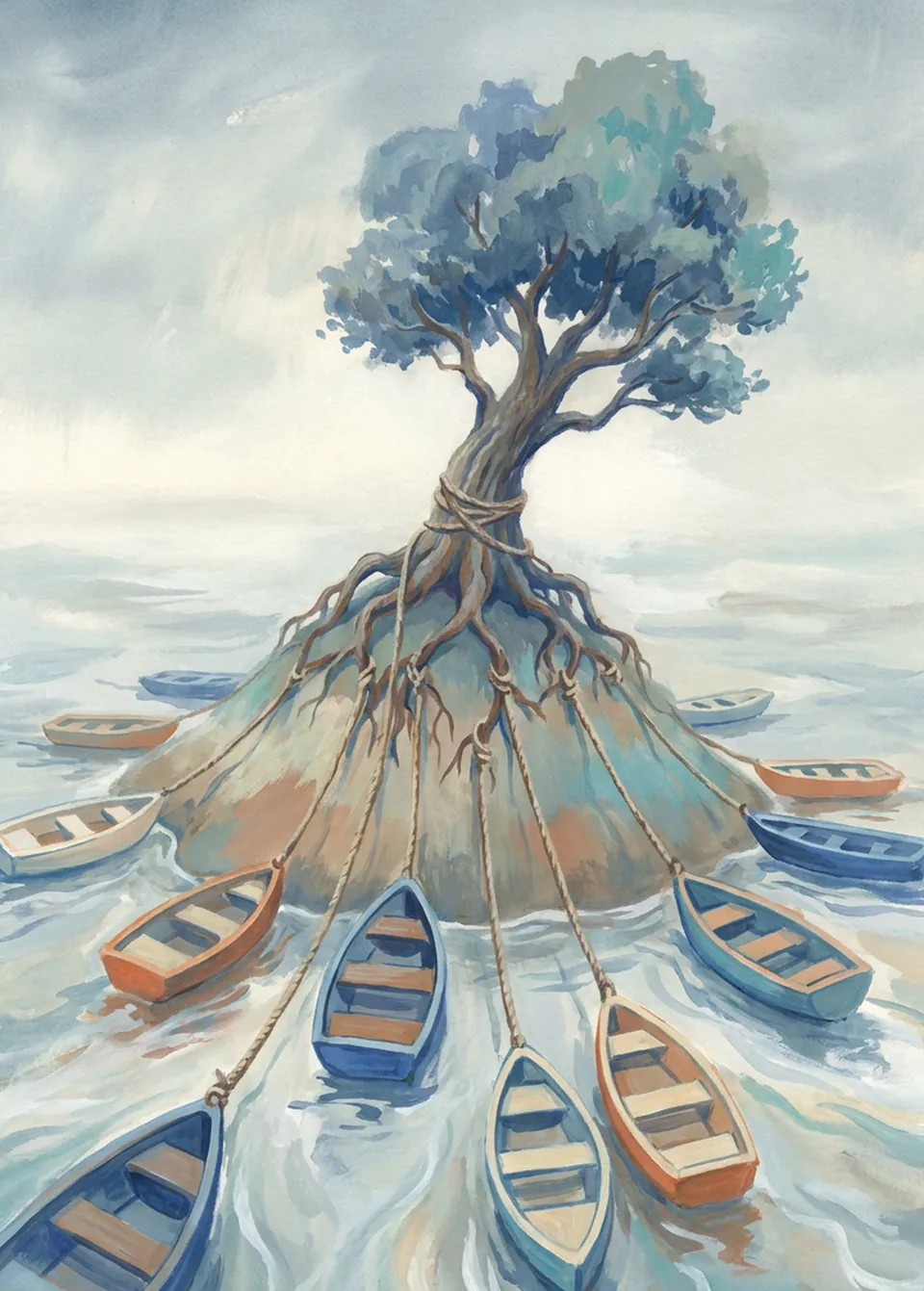
Higher Ground
A raised place where whoever the water drives out can stand.
Why this image
A small round hill with a single tree stands in rising floodwater, and many little boats, blue, terracotta and ivory, are tied by ropes to its roots. The mound beneath the Burcht was raised around the year 1000 as a refuge from high water, and built up to twelve metres 1. Other raised places in the city hold whoever the water drives out: De Bakkerij keeps four rooms for emergency stays and takes in asylum seekers 2; the Huguenots who fled for their faith found their church here 3; and Defence for Children offers free legal support to children, migration among its three themes 4.
What it draws on · 4
de heuvel
The mound beneath the Burcht was raised in phases around the year 1000 as a refuge from high water and eventually built up to twelve metres — older than the city that grew around it, but a mound and not a building.
Sources · 2
- Geschiedenis van Zuid-Holland — geschiedenisvanzuidholland.nl
- Erfgoed Leiden en Omstreken — erfgoedleiden.nl
asielzoekers en ongedocumenteerden
De Bakkerij runs Makaazi Ya Imani, a shelter with four rooms for emergency stays, and together with Leiden's churches takes in asylum seekers from Ter Apel. Help also reaches undocumented people and labour migrants who fall through every provision there is; the Comité Ondersteuning Ongedocumenteerden Leiden — the city's committee for the support of the undocumented — works out of this building.
Sources · 3
- Leiden In Motion: De Diversity Walk — Stichting Güney / Turksarchief.nl
- Diaconaal Centrum De Bakkerij — debakkerijleiden.nl/ons-werk/projecten
- Comité Ondersteuning Ongedocumenteerden Leiden (COOL)
van 425 naar 5.000
The Walloon congregation was made up of Huguenots from France and Wallonia who had fled for reasons of faith and had been holding services in Leiden since the 1570s. From 1584 the Vrouwekerk was their main church; in 1638 this chapel became a second church for the fast-growing congregation. It had 425 members in 1584 and five thousand by 1643.
Sources · 1
- Nederlandstalige Wikipedia — Waalse kerk (Leiden): hugenoten uit Frankrijk en Wallonië, diensten sinds de jaren 1570, Vrouwekerk vanaf 1584, hulpkerk 1638; 425 leden in 1584, 5.000 in 1643
Defence for Children
Defence for Children Nederland works out of this building and offers free legal support to children through its Children's Rights Helpdesk. Alongside that the organisation works on structural improvements to children's rights in law, regulation and policy. Its work is divided across three themes: family, migration and sexual exploitation — three very different groups of children with very different needs.
Sources · 1
- Defence for Children Nederland — defenceforchildren.nl: Kinderrechtenhelpdesk en thema's familie, migratie, seksuele uitbuiting
Shares its places with · 11
 From Care to RightsDiaconal Center De Bakkerij · Children's Rights House
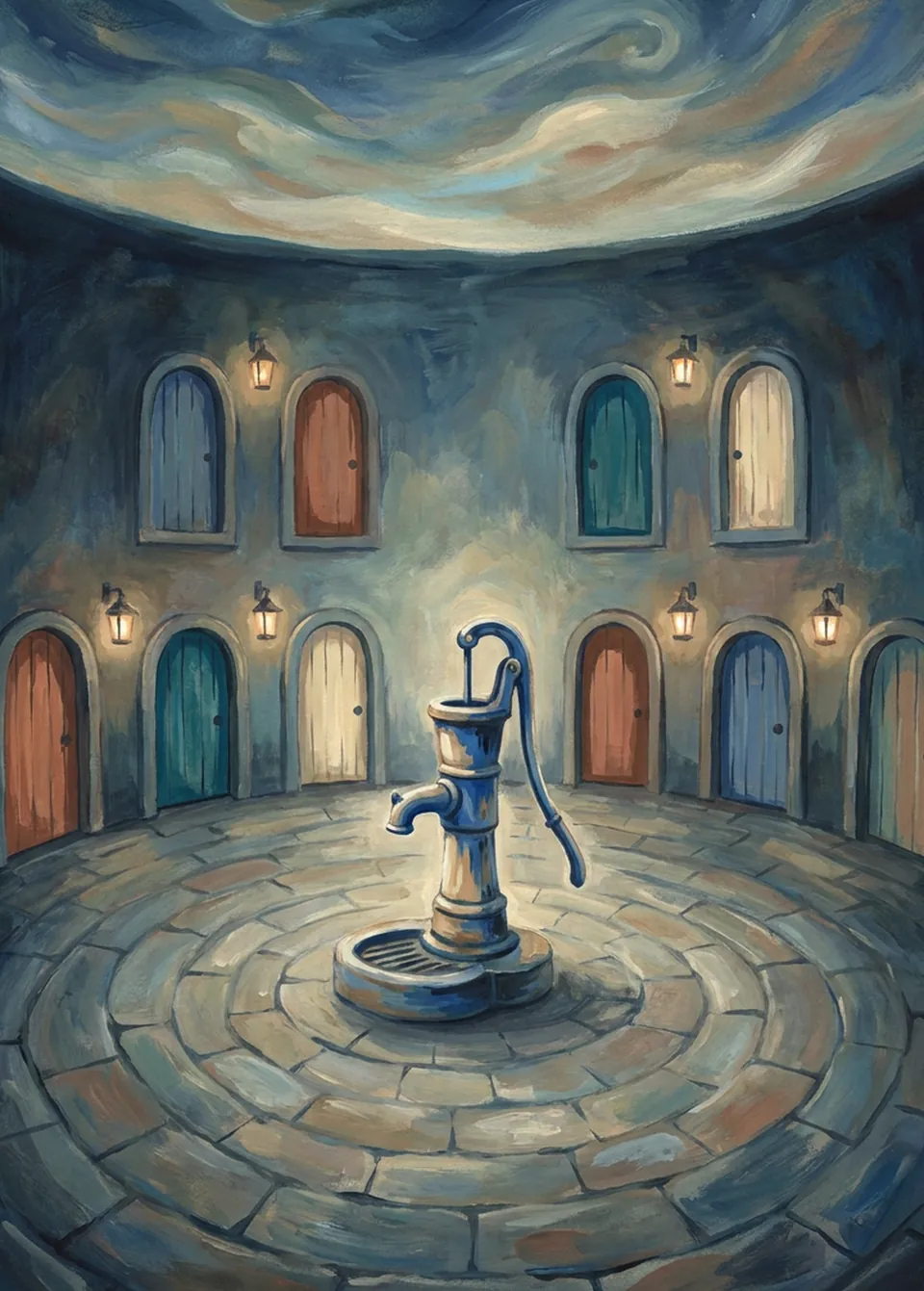 Under One RoofDiaconal Center De Bakkerij · Children's Rights House
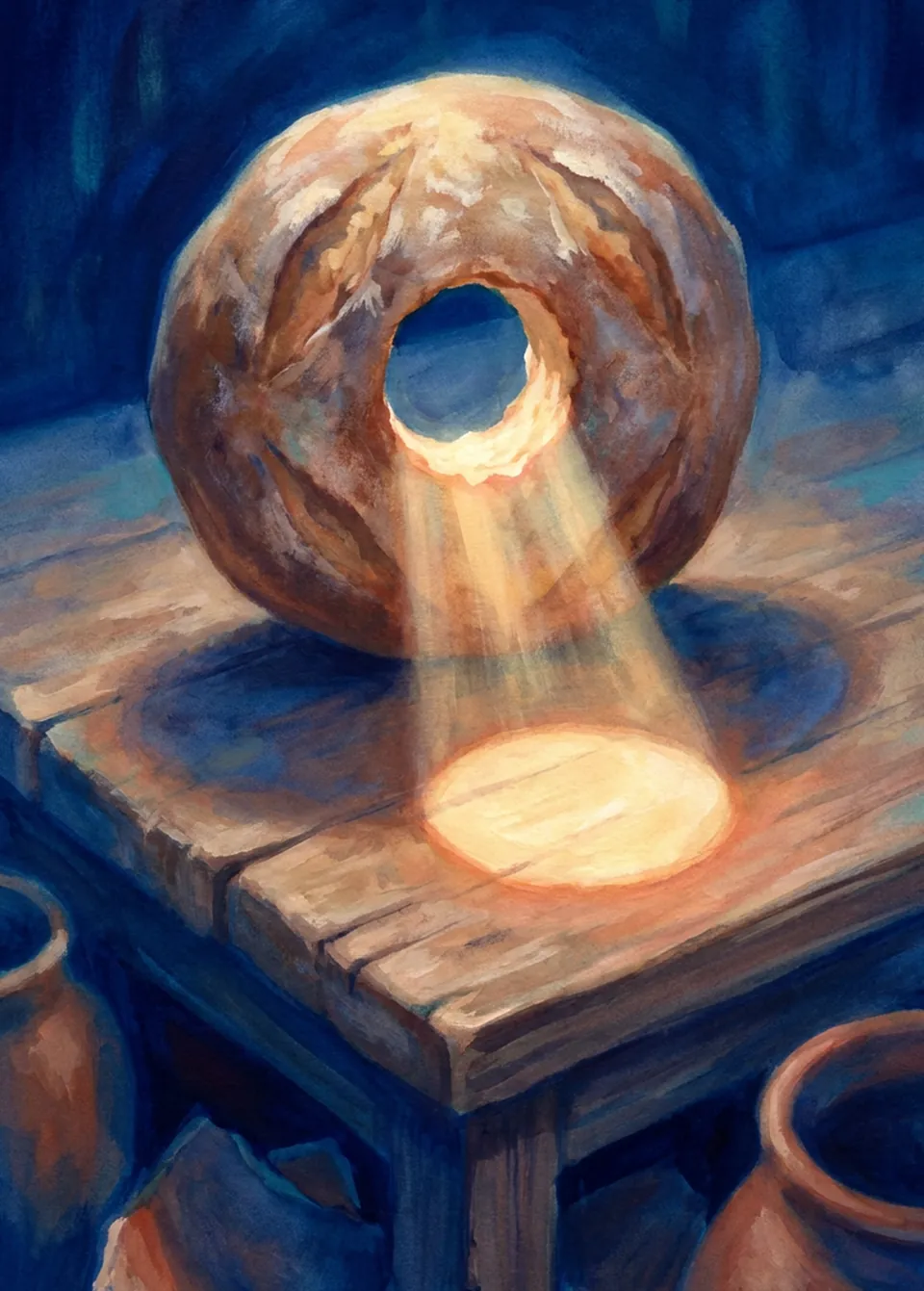 Bread for a TokenDiaconal Center De Bakkerij · Children's Rights House
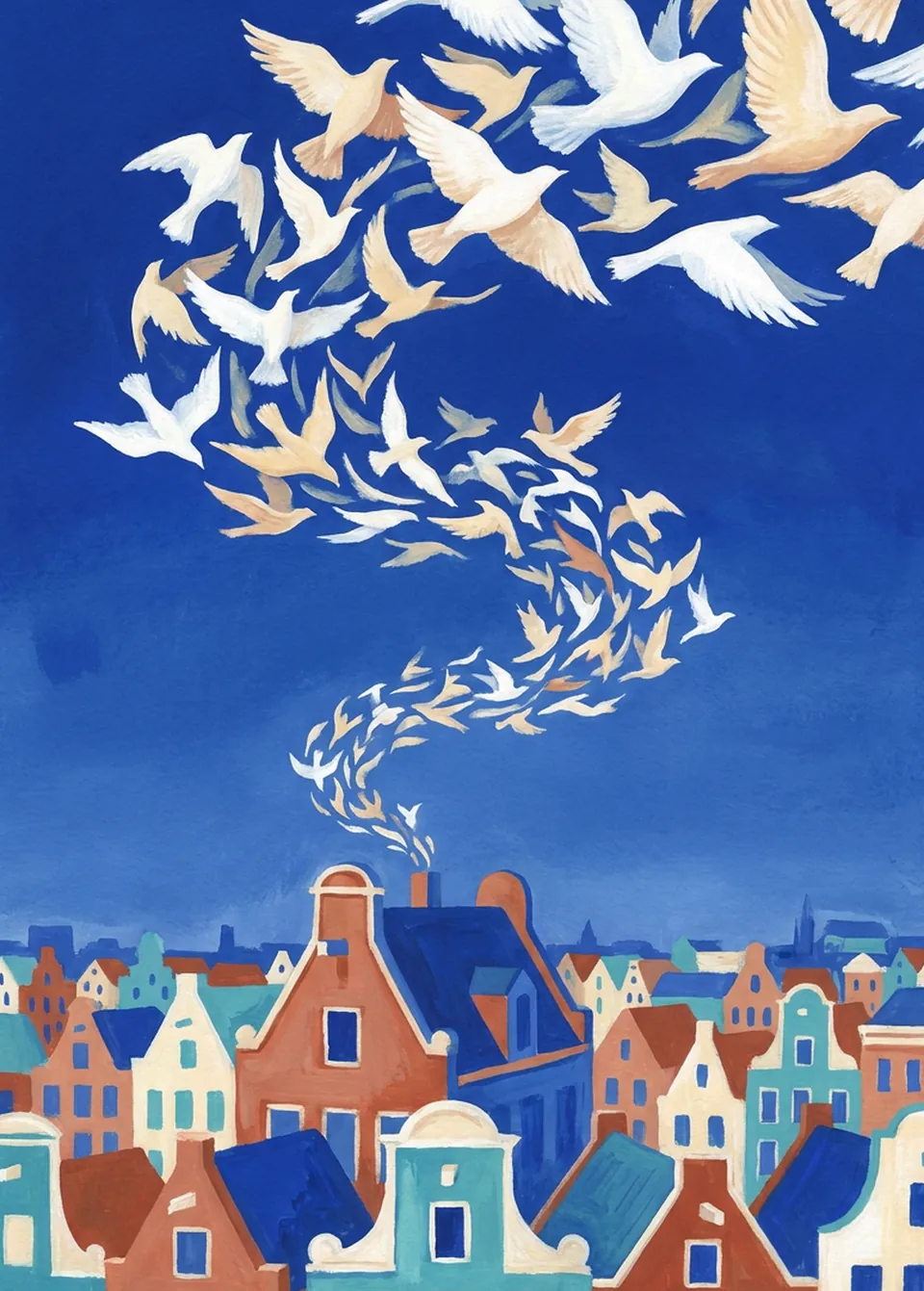 A Voice in the AirWalloon Church
 A Thread from FarWalloon Church
 The Refilled CityWalloon Church
 Remain What You AreWalloon Church
 Two NightsDiaconal Center De Bakkerij
 Where Waters MeetDe Burcht
 The Lion Steps DownDe Burcht
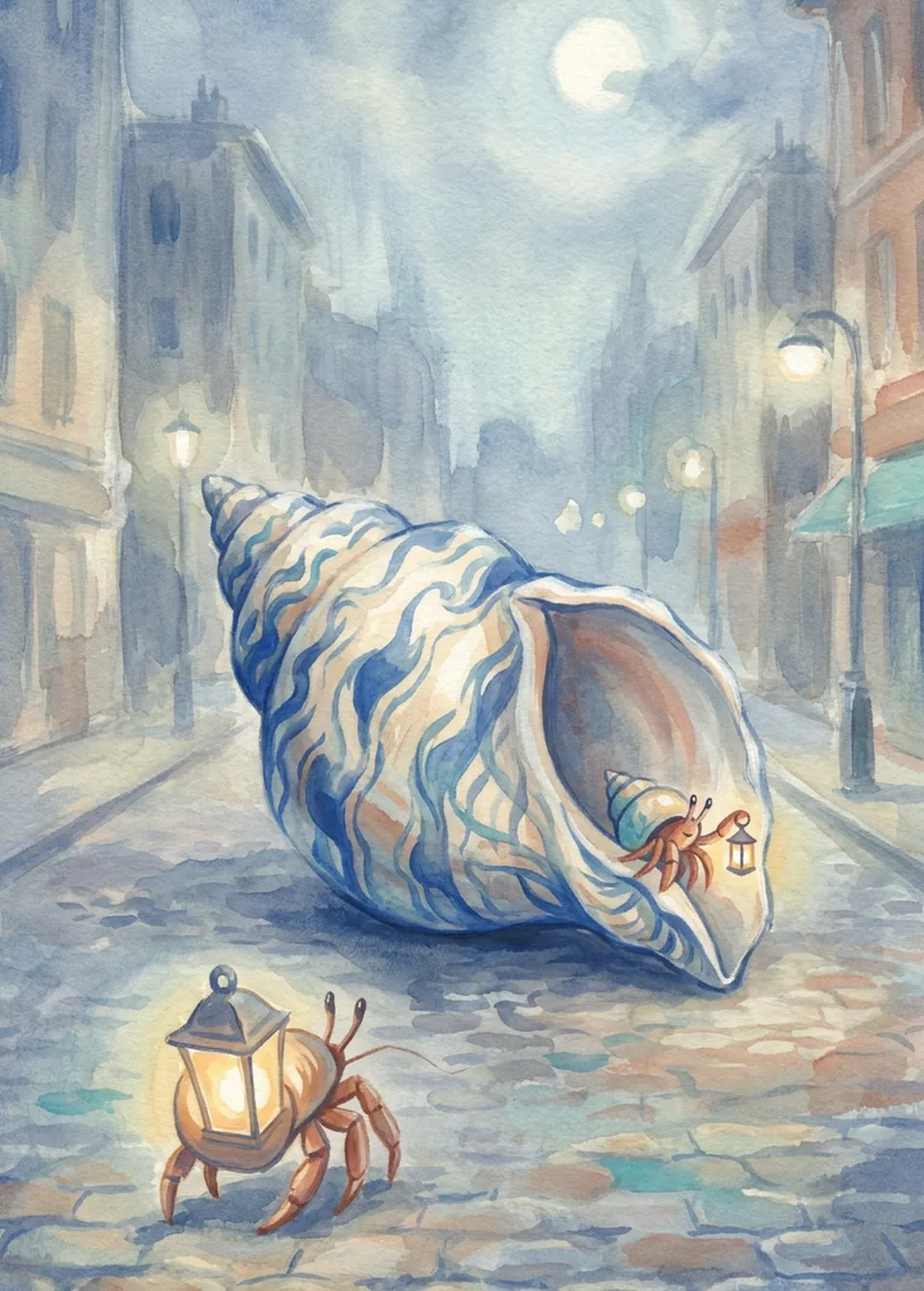 The Next HouseChildren's Rights House
Painted with an image model from the facts on this page, and chosen by hand. City in Motion.