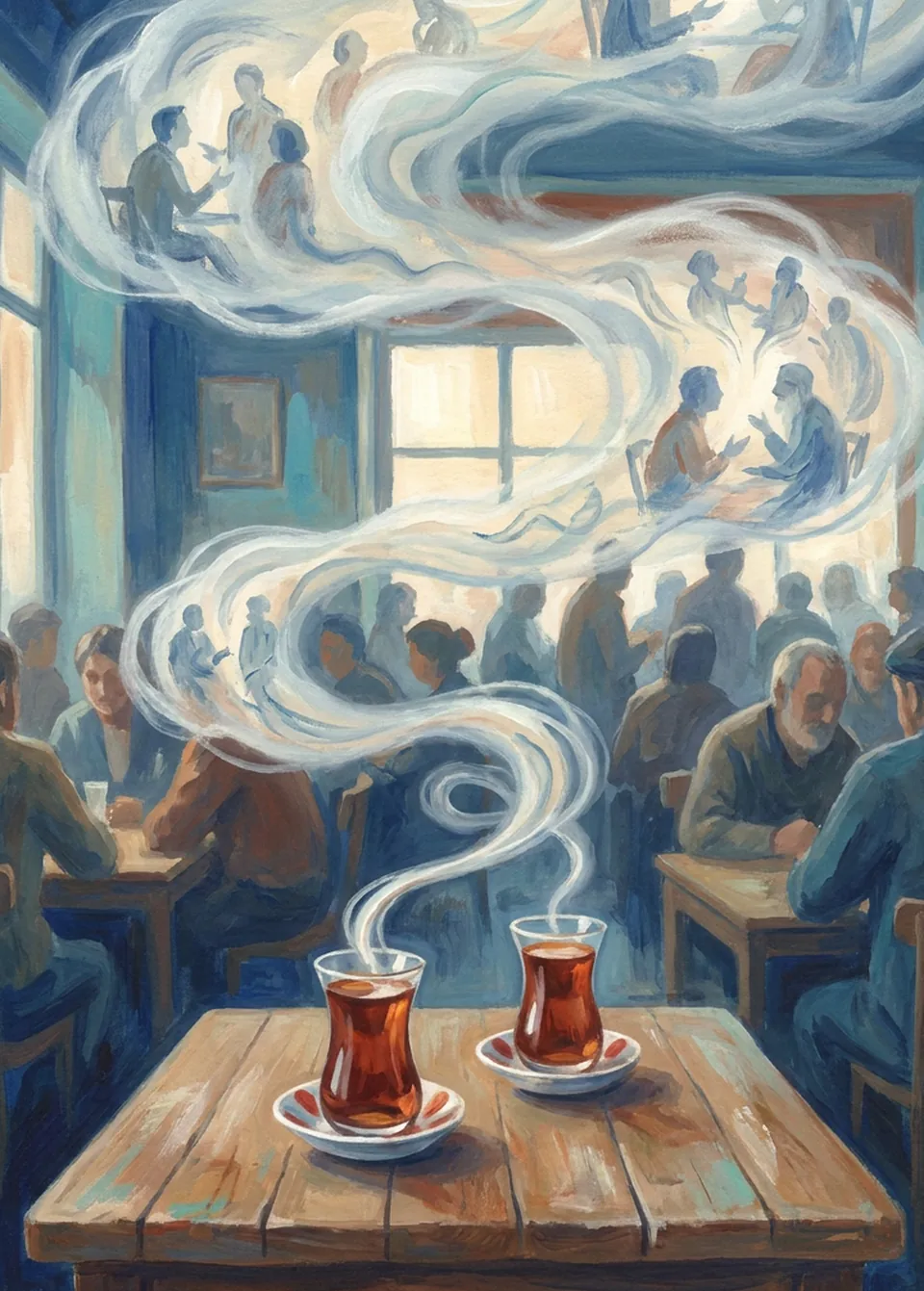
In the Steam
They came for tea, and what they found was each other.
Why this image
In a crowded tea house two tulip-shaped glasses of tea stand on a wooden table in front; their steam rises, twists into one ribbon and drifts up over the people talking at the tables, faint figures in conversation drawn inside it. Leiden's first Turkish tea house, on the Doezastraat, was a place the migrants made for themselves: tea was drunk, but what people found above all was each other 1. Mabroek, a butcher and fresh-food shop, is a meeting place too 2. Not painted, but the same: Leideners took to selling coffee and tea in the street 3, and the Turkish honorary consul held a herring feast at the Kort Rapenburg every year 4.
What it draws on · 4
het theehuis
Leiden's first Turkish tea house, on the Doezastraat, was not an official institution but a place the migrants made for themselves. Tea was drunk there, but what people found above all was each other, and support in a new country; there was room, too, for social and cultural gatherings.
Sources · 2
- Leiden In Motion: De Diversity Walk — Stichting Güney / Turksarchief.nl
- Vijfeeuwenmigratie — gastarbeiders uit Turkije: koffie- en theehuizen als ontmoetingsplek
meer dan vlees
Mabroek is not only a butcher but a Mediterranean fresh-food shop: beside the meat there are delicatessen, olives, bread, fresh herbs and nuts. So people do not come only for a pound of mince, and for the city's Muslim community the shop is also a meeting place.
Sources · 2
- Leiden In Motion: De Diversity Walk — Stichting Güney / Turksarchief.nl
- Slagerij Mabroek — mabroek.nl/winkel: mediterrane verswinkel, delicatessen, olijven, brood, kruiden, noten
koffie, thee en uniformen
Colonial goods made work in Leiden itself: coffee and tea generated a great deal of employment, because Leideners took to selling them in the street. The textile industry imported dyestuffs from the colonies and traded its cloth back to them. Between 1839 and 1905 hundreds of textile workers earned something extra making uniforms for the colonial army in the Dutch East Indies, Suriname and Curaçao.
Sources · 2
- Leiden In Motion: De Diversity Walk — Stichting Güney / Turksarchief.nl
- Universiteit Leiden — 'Kennis, kleding en koffie: zo maakte Leiden deel uit van het koloniale en slavernijverleden' (2024)
Joost Peters
The consulate had one face: honorary consul-general Joost Peters, who held the post for ten years and put the emphasis on trade relations between the Netherlands and Turkey and on cultural exchange. A herring feast was held at the Kort Rapenburg every year. Peters died in March 2019, and because no successor was found the honorary consulate-general closed in May 2020.
Sources · 2
- Unity — 'Honorair Consulaat Generaal Turkije in Leiden gaat dicht': Joost Peters, tien jaar, overleden maart 2019, sluiting mei 2020
- Sleutelstad — berichtgeving over het Turkse consulaat aan het Kort Rapenburg
Shares its places with · 12
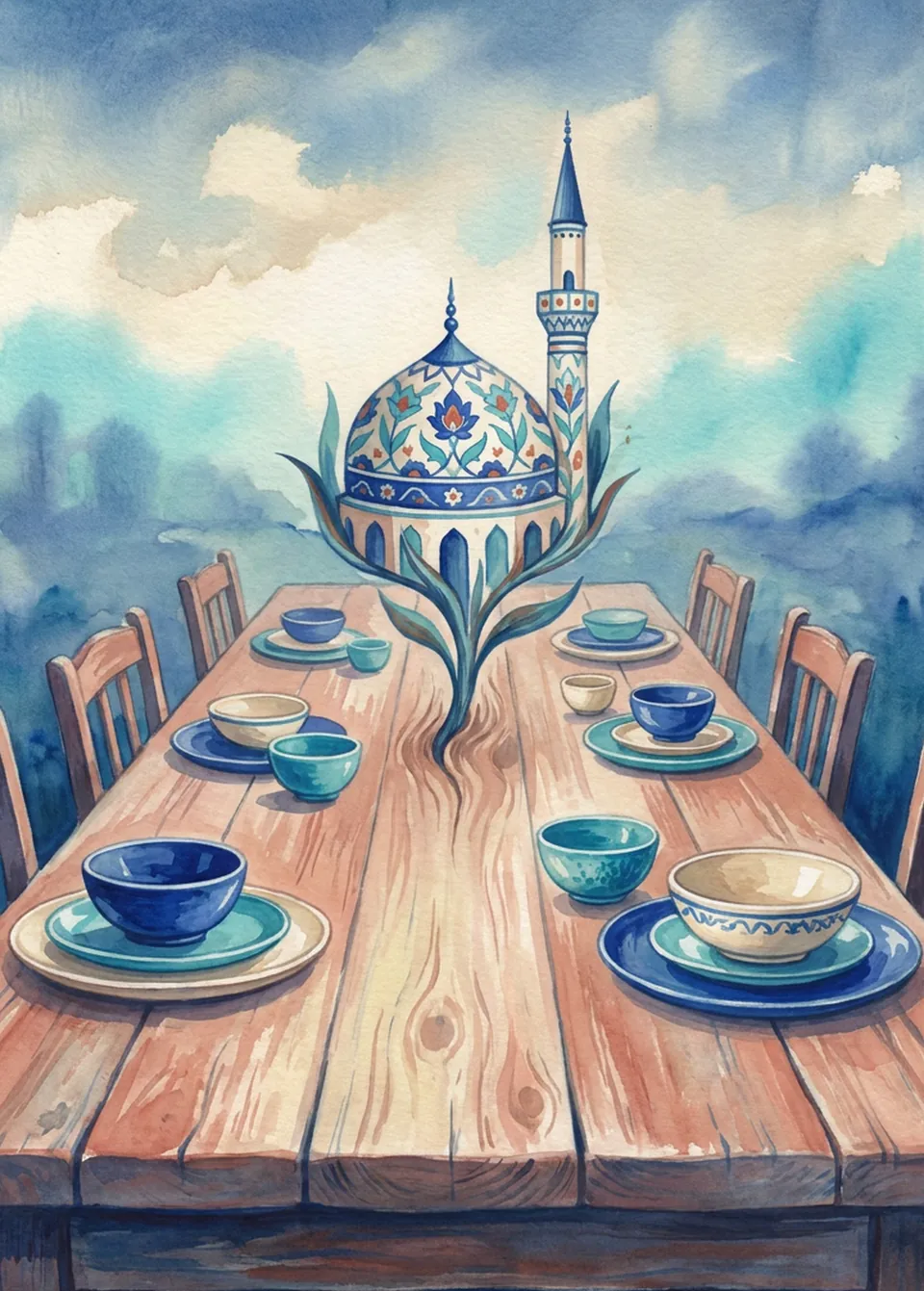 The Kitchen FirstMabroek Butcher Shop
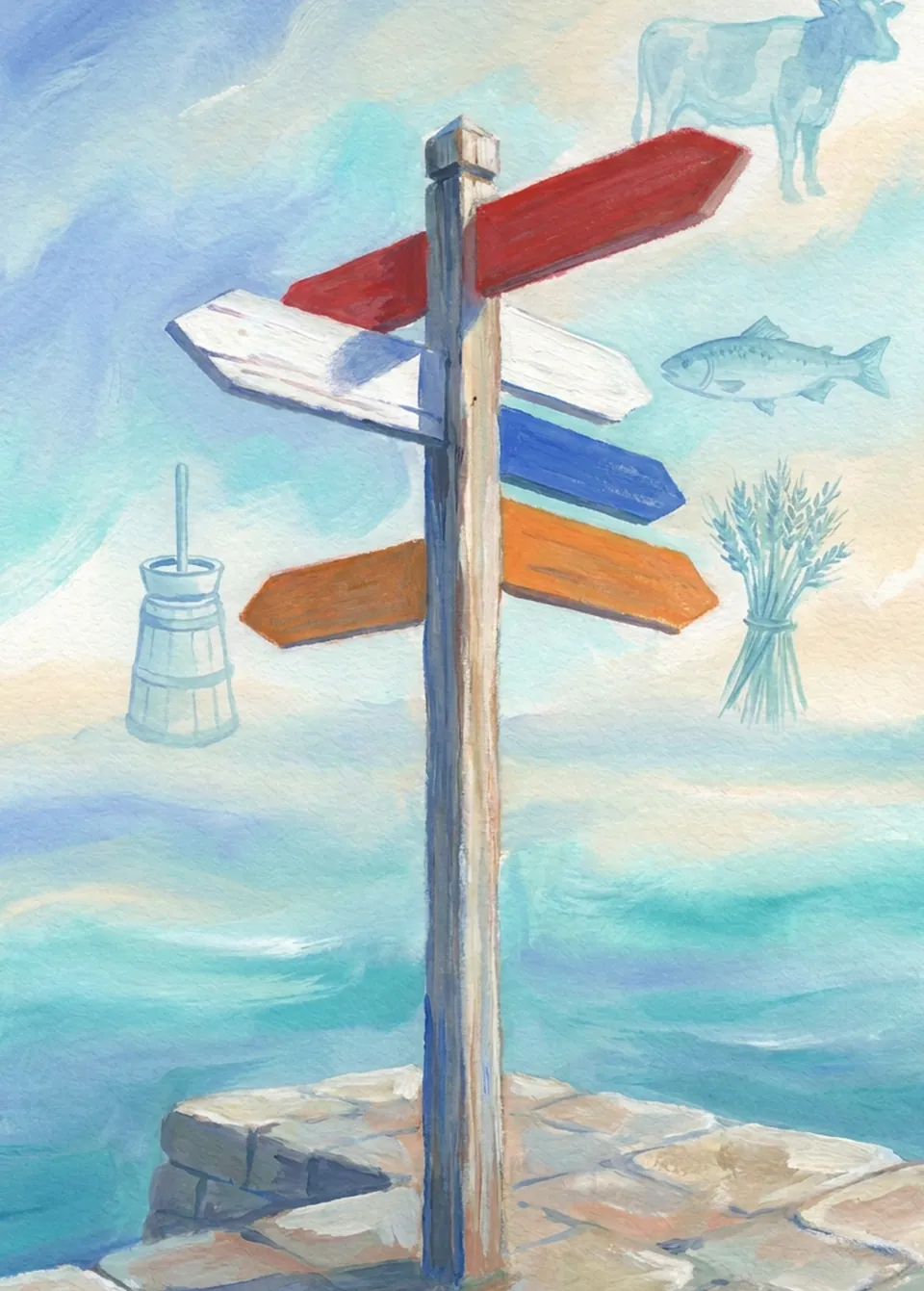 The Name RemainsMabroek Butcher Shop
 Held by OneFormer Turkish Honorary Consulate
 Another FlagFormer Turkish Honorary Consulate
 Behind the FacadeFormer Turkish Honorary Consulate
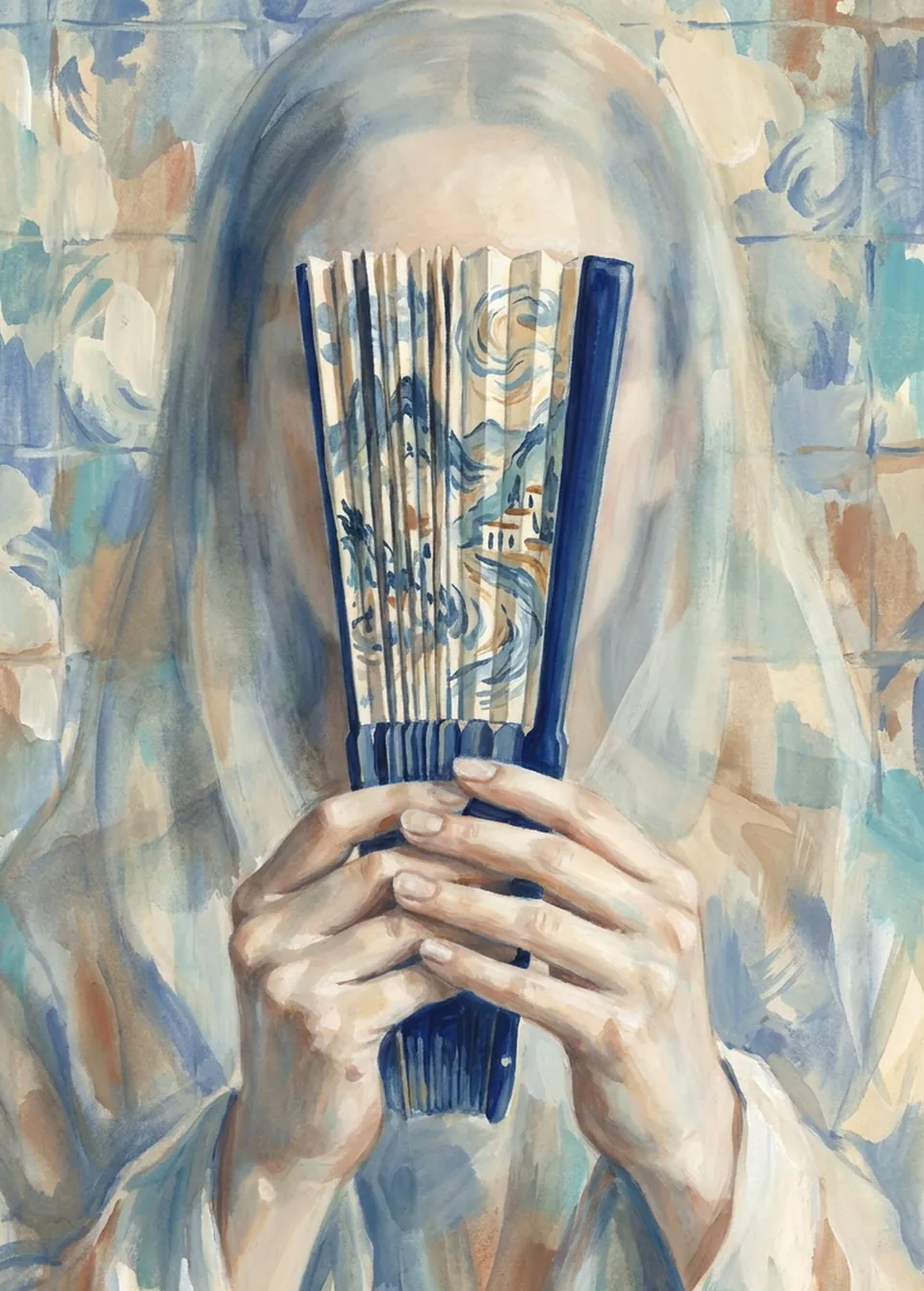 The SilenceFirst Turkish Tea House
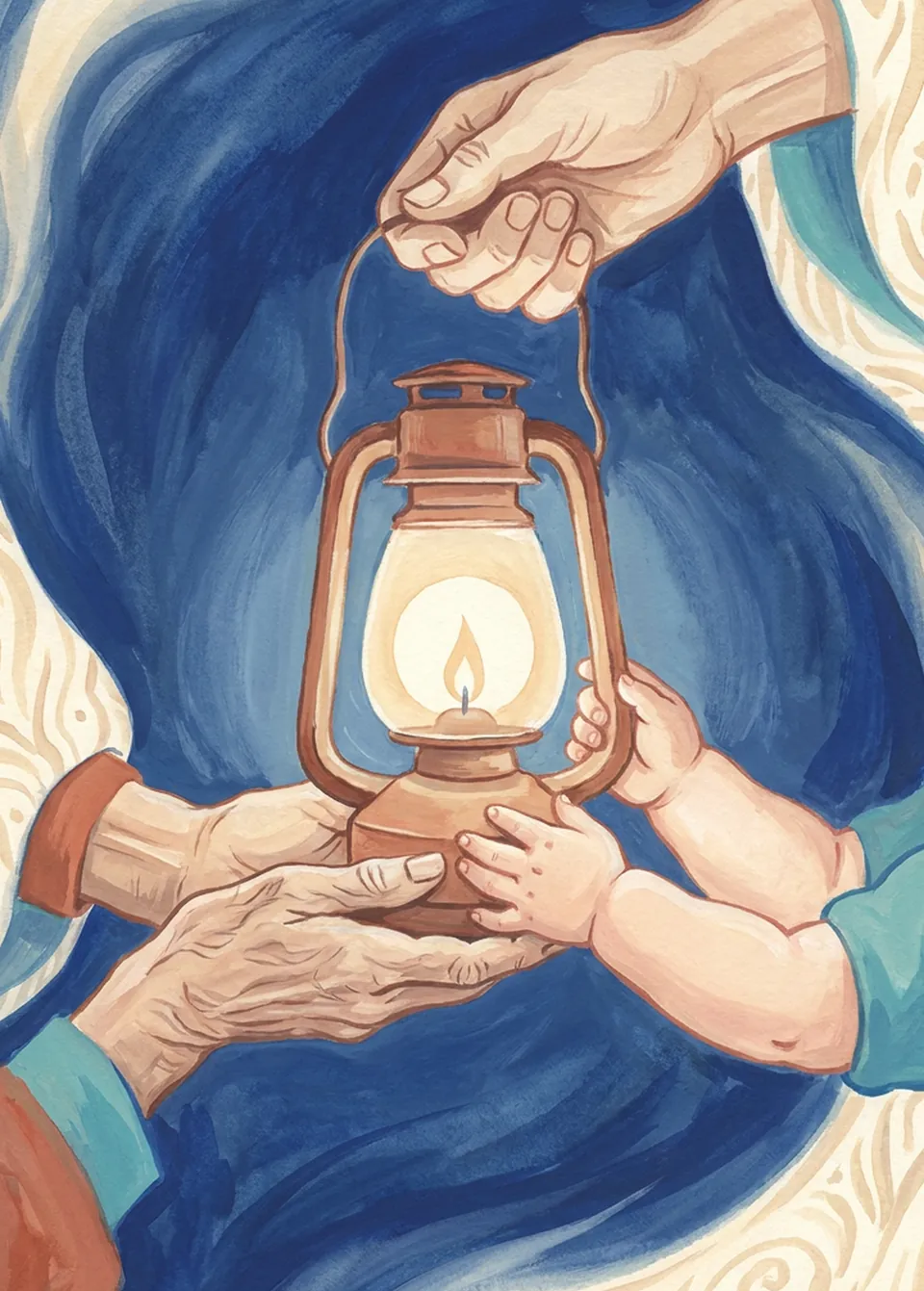 Forever RenewedFirst Turkish Tea House
 The DepartureFirst Turkish Tea House
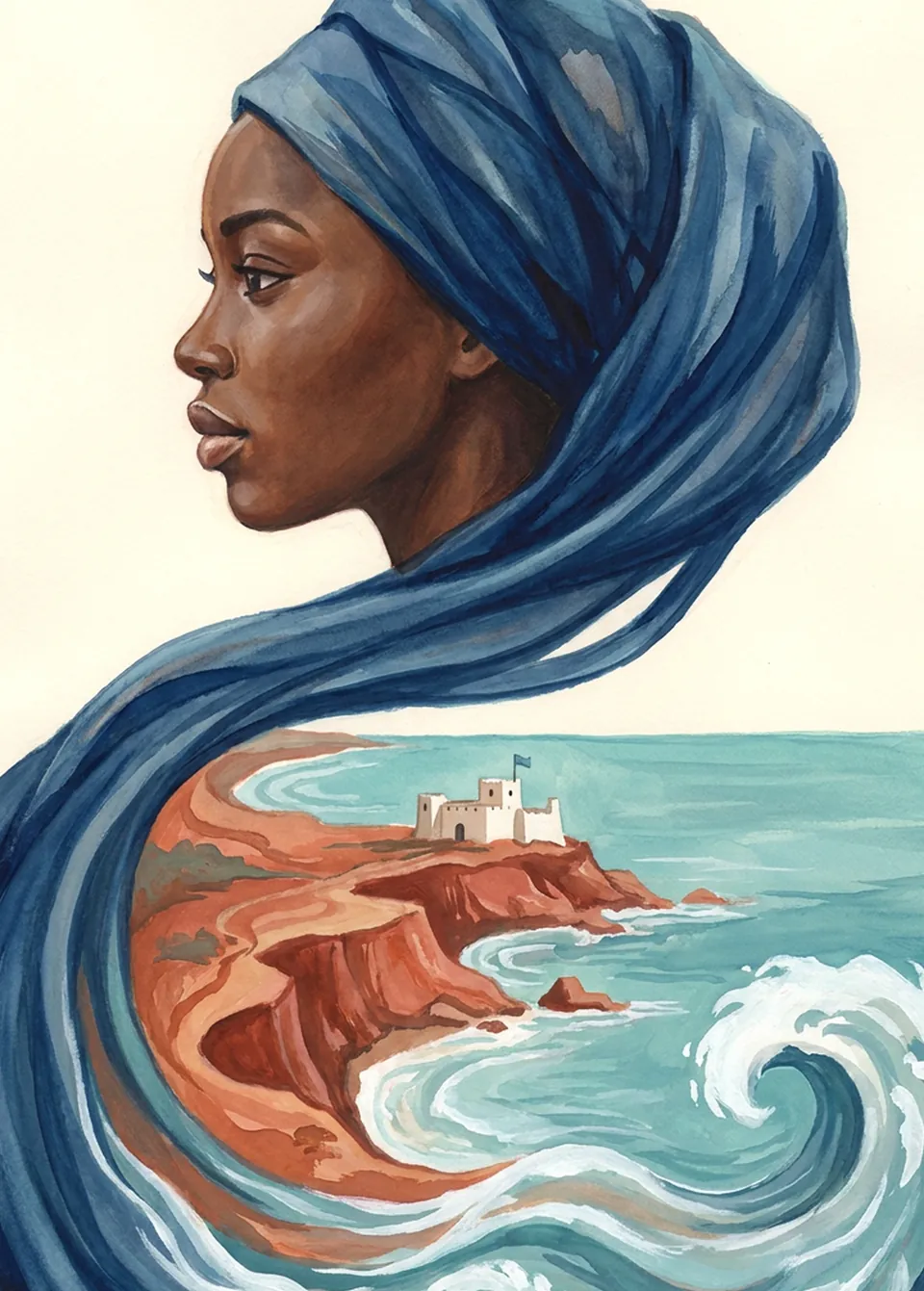 Named After a CoastMansions along the canals (Slavery/Colonialism)
 The Same RouteMansions along the canals (Slavery/Colonialism)
 Cloth That BoughtMansions along the canals (Slavery/Colonialism)
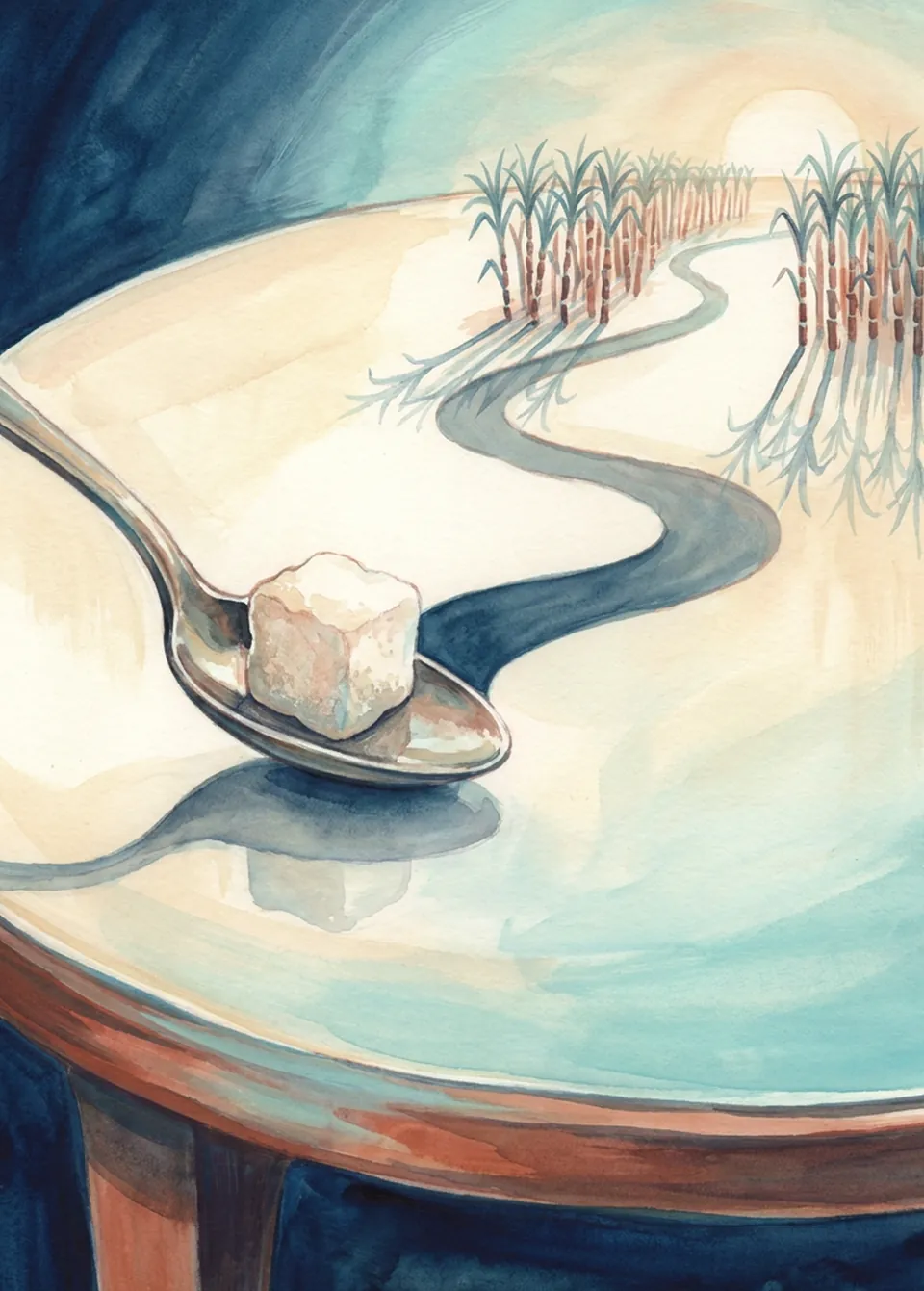 Only the YieldMansions along the canals (Slavery/Colonialism)
Painted with an image model from the facts on this page, and chosen by hand. City in Motion.