
Remain What You Are
Choosing the side where you are allowed to remain what you are.
Why this image
A hooded traveller in a blue cloak, a bag on the shoulder, crosses an arched stone bridge at dusk towards a far bank of warm, lit houses under crescent moons. The crossing is the choice in the slogan 'rather Turkish than papist': not Islam, but the side where one was allowed to remain what one was 1. Leiden was such a far bank for the English Separatists who fled to it in 1609 2, and for the Huguenots of France and Wallonia, whose congregation grew from 425 in 1584 to five thousand by 1643 3. The lone walker on a road of one's own speaks the language of La Vertu, where an apprentice goes on as companion and master 4.
What it draws on · 4
waarom juist Turks
The slogan was not a joke but a comparison. Under Ottoman rule Jews and Christians could practise their faith on payment of a tax; in the Spanish Netherlands Protestants were persecuted and heresy carried the death penalty. Whoever cried 'rather Turkish than papist' was not choosing Islam but the side on which he was allowed to remain what he was.
Sources · 3
- Dutch Revolt (Universiteit Leiden) — spreuken: 'Liever Turks dan paaps'
- De Groene Amsterdammer — 'Liever Turks dan paaps'
- IsGeschiedenis — 'Betrekkingen Turkije en Nederland tijdens de Tachtigjarige Oorlog'
de vlucht naar Leiden
The Pilgrims were English Separatists: believers who had broken away from the state church and were therefore not safe in England. In 1608 they fled to Amsterdam, in 1609 they moved to Leiden, and beside the Pieterskerk they built twenty-one houses. By 1620 the community numbered some three hundred people, drawn from every part of England.
Sources · 3
- Pieterskerk Leiden — 'Pilgrims: tentoonstelling & historie'
- Nederlandstalige Wikipedia — Pilgrim Fathers
- Leiden American Pilgrim Museum
van 425 naar 5.000
The Walloon congregation was made up of Huguenots from France and Wallonia who had fled for reasons of faith and had been holding services in Leiden since the 1570s. From 1584 the Vrouwekerk was their main church; in 1638 this chapel became a second church for the fast-growing congregation. It had 425 members in 1584 and five thousand by 1643.
Sources · 1
- Nederlandstalige Wikipedia — Waalse kerk (Leiden): hugenoten uit Frankrijk en Wallonië, diensten sinds de jaren 1570, Vrouwekerk vanaf 1584, hulpkerk 1638; 425 leden in 1584, 5.000 in 1643
de oudste loge van Leiden
La Vertu is the oldest masonic lodge in Leiden, founded in 1757; as number 7 it is among the oldest in the Netherlands. Of itself the lodge writes: 'From its founding very different people were members. That is still so today.' A new member begins as an apprentice and goes on as companion and master — the language of the craft guild, for a road you walk yourself. The lodge building on the Steenschuur is a national monument.
Sources · 3
- Loge La Vertu — logelavertu.nl: 'La Vertu is opgericht in 1757'
- Nederlandstalige Wikipedia — Loge La Vertu: nummer 7, oudste loge van Leiden
- Rijksmonumenten.nl — Logegebouw 'La Vertu', Steenschuur, Leiden
Shares its places with · 13
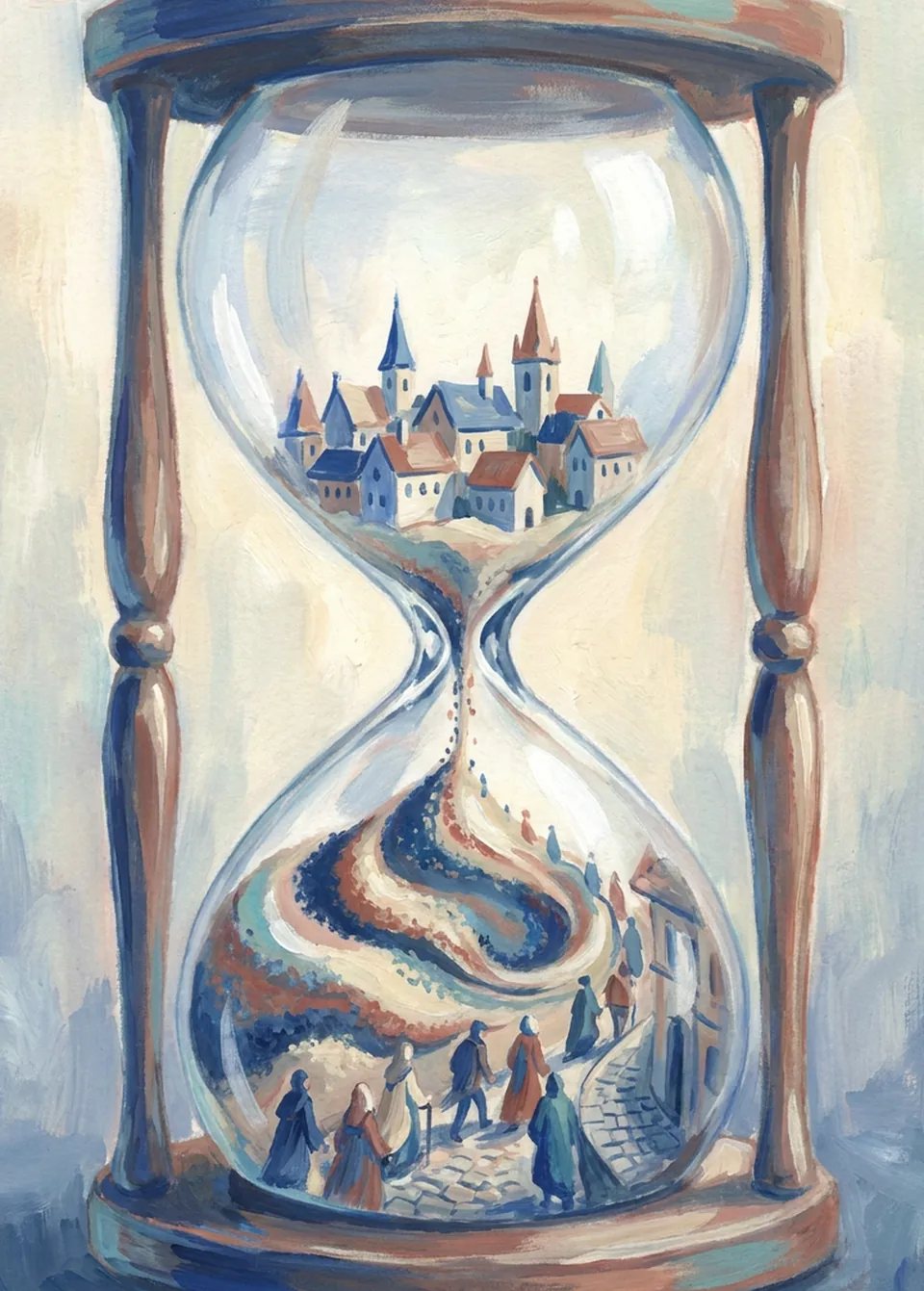 The Refilled CityWalloon Church · Leiden City Hall - Crescent Moons
 Carried HomeLoge La Vertu · Leiden American Pilgrim Museum
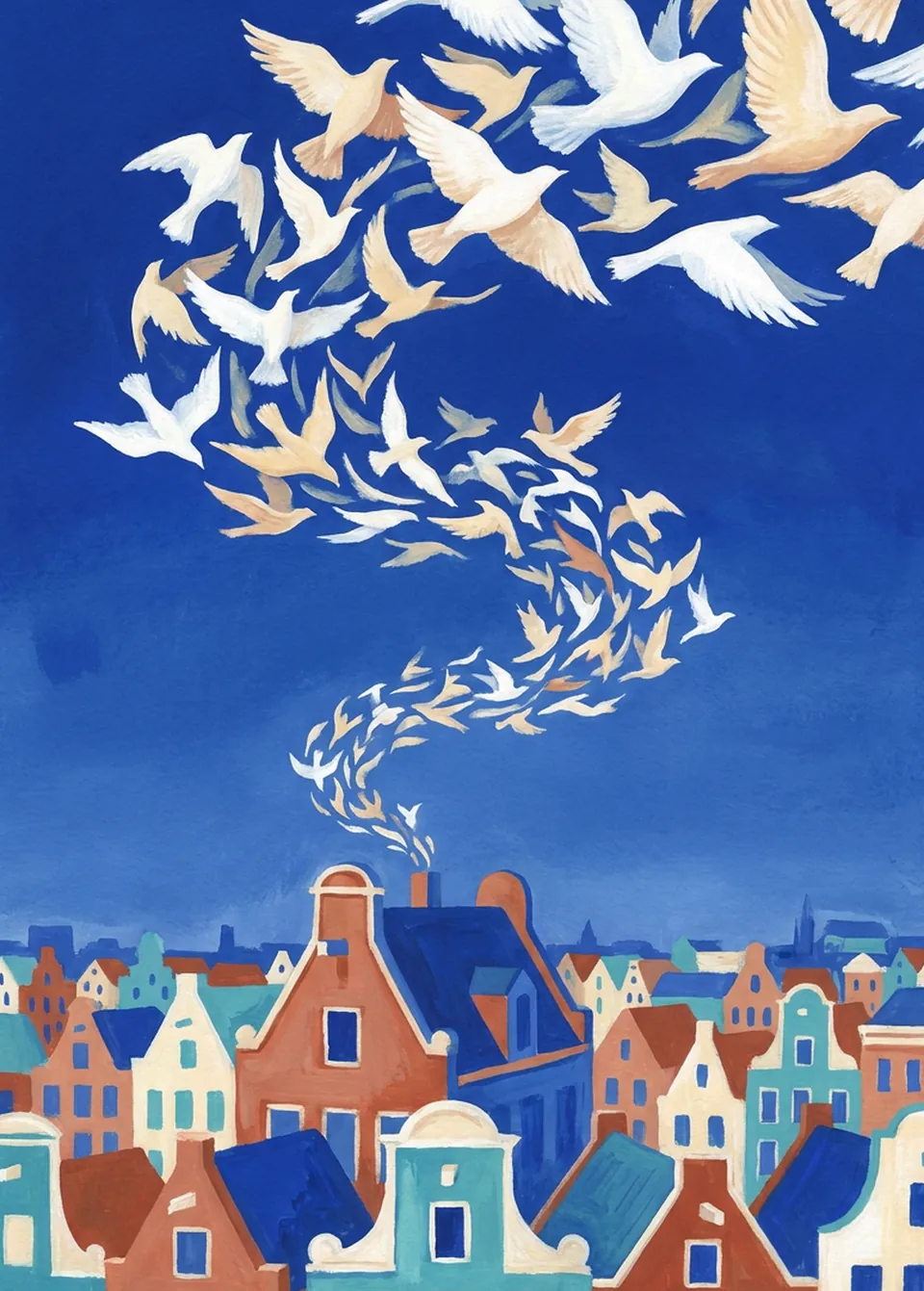 A Voice in the AirWalloon Church
 A Thread from FarWalloon Church
 Higher GroundWalloon Church
 The SilenceLoge La Vertu
 The Only WindowLoge La Vertu
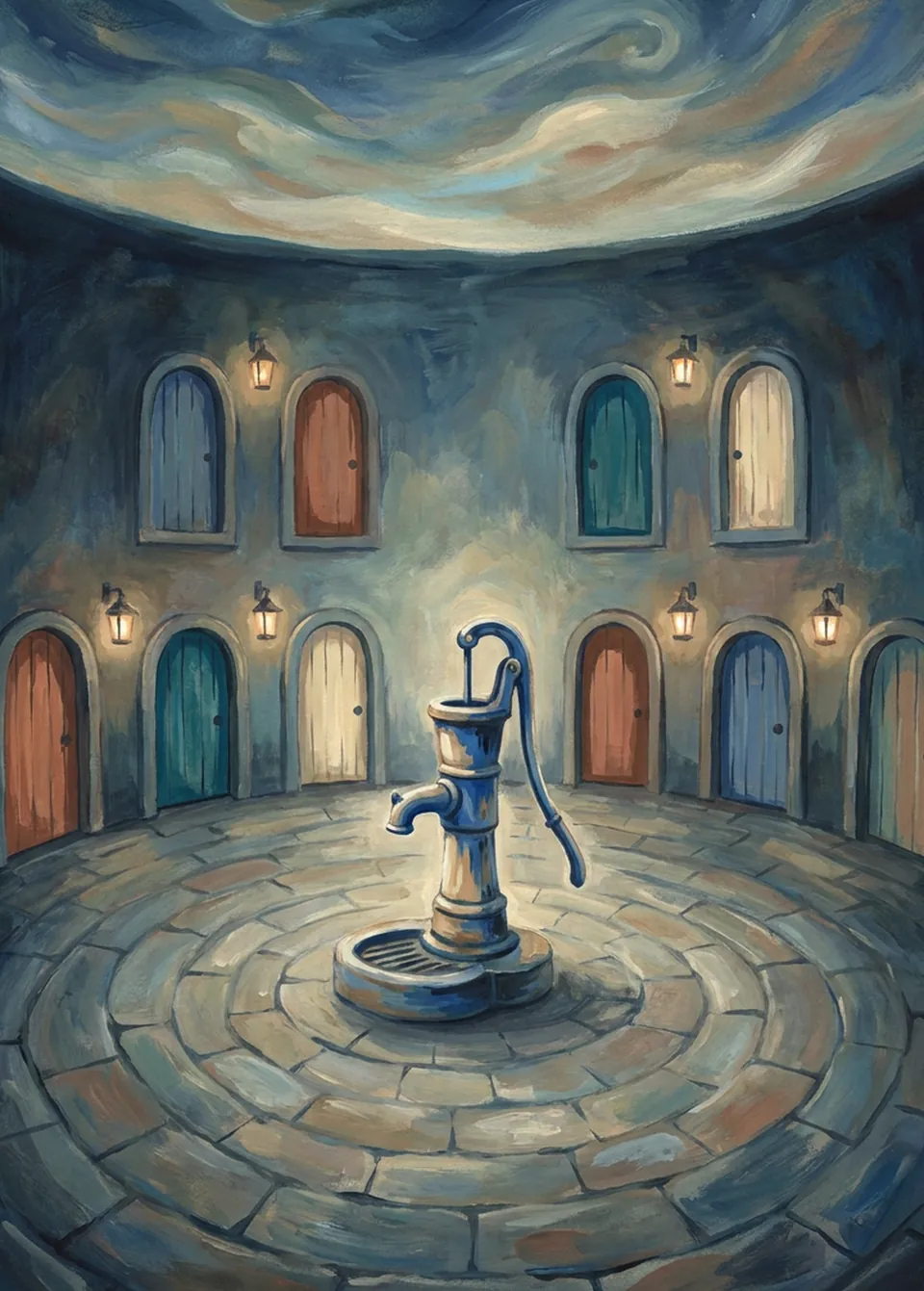 Under One RoofLoge La Vertu
 Half SailedLeiden American Pilgrim Museum
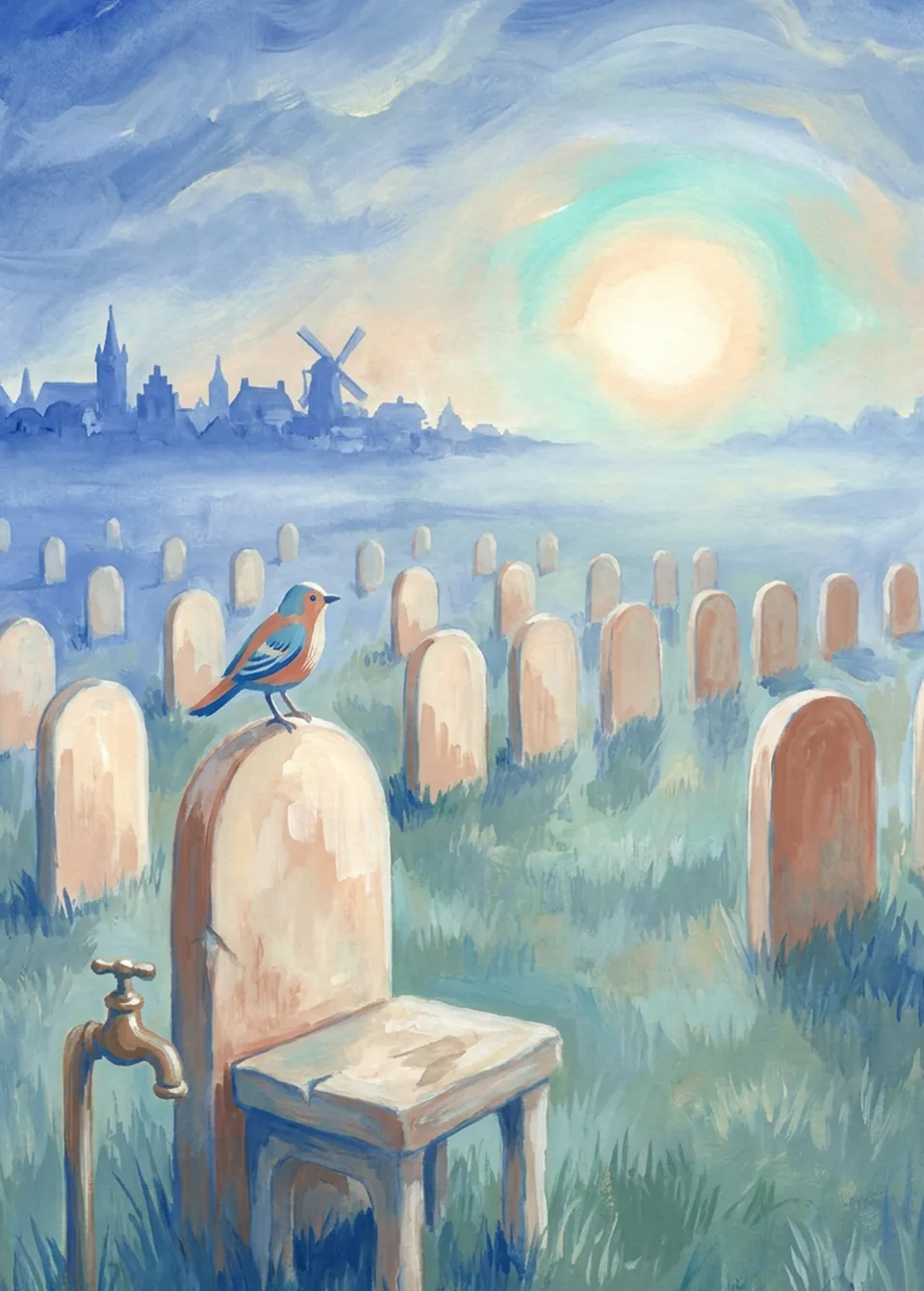 Facing FarLeiden American Pilgrim Museum
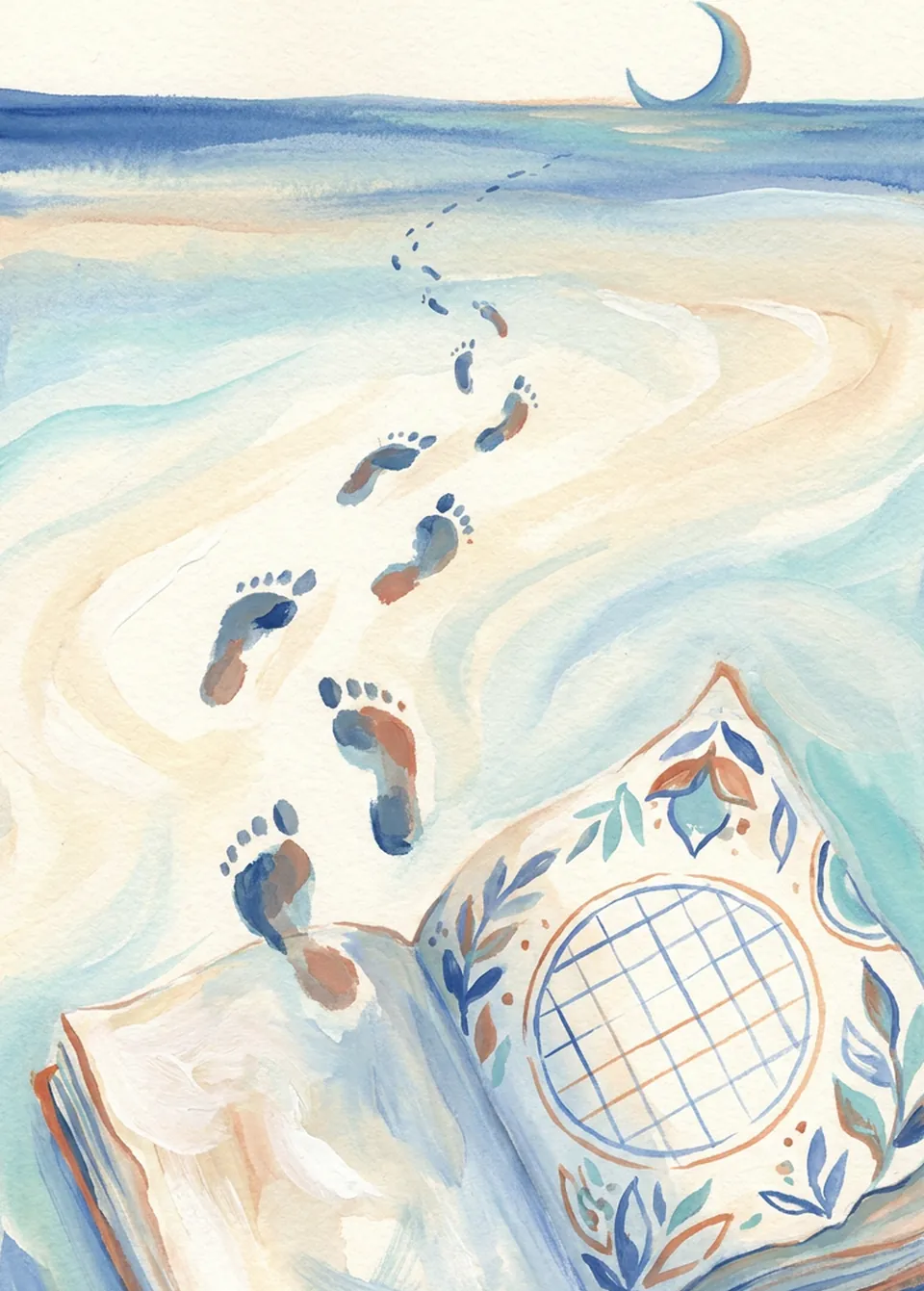 The DepartureLeiden American Pilgrim Museum
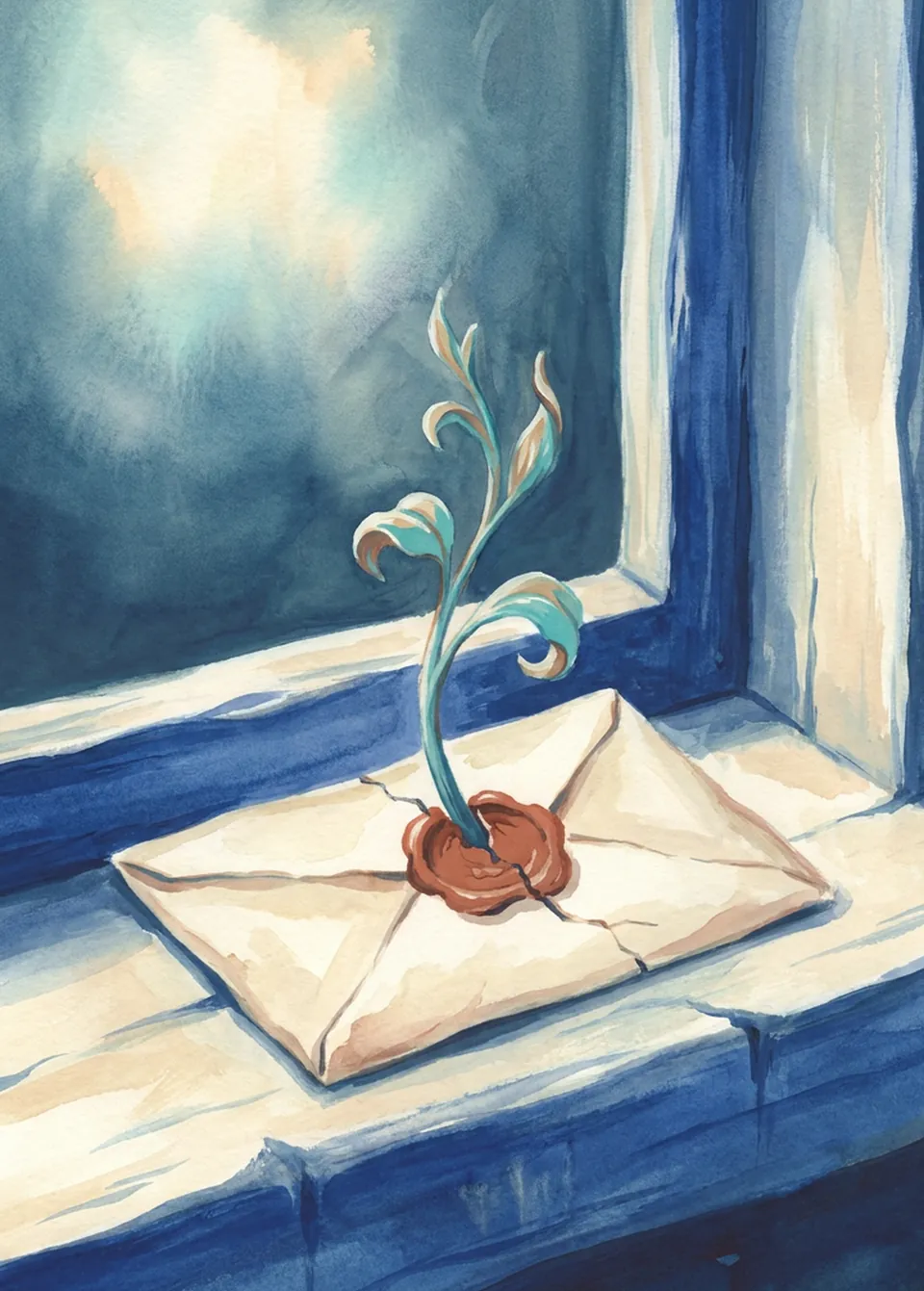 A Seed in a LetterLeiden City Hall - Crescent Moons
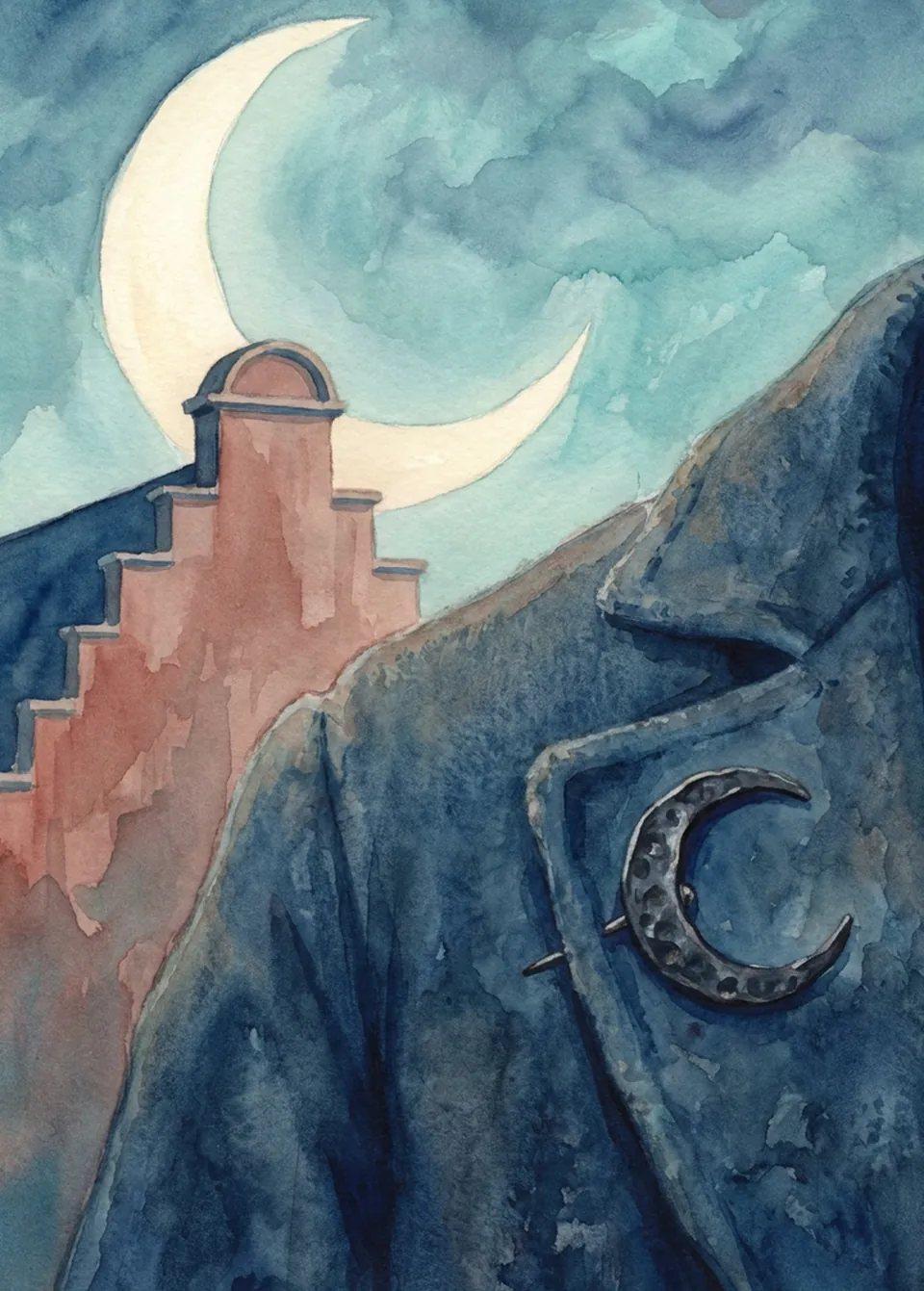 The MoonLeiden City Hall - Crescent Moons
Painted with an image model from the facts on this page, and chosen by hand. City in Motion.