A Seed in a Letter
Some things travelled folded inside letters between courts.
Why this image
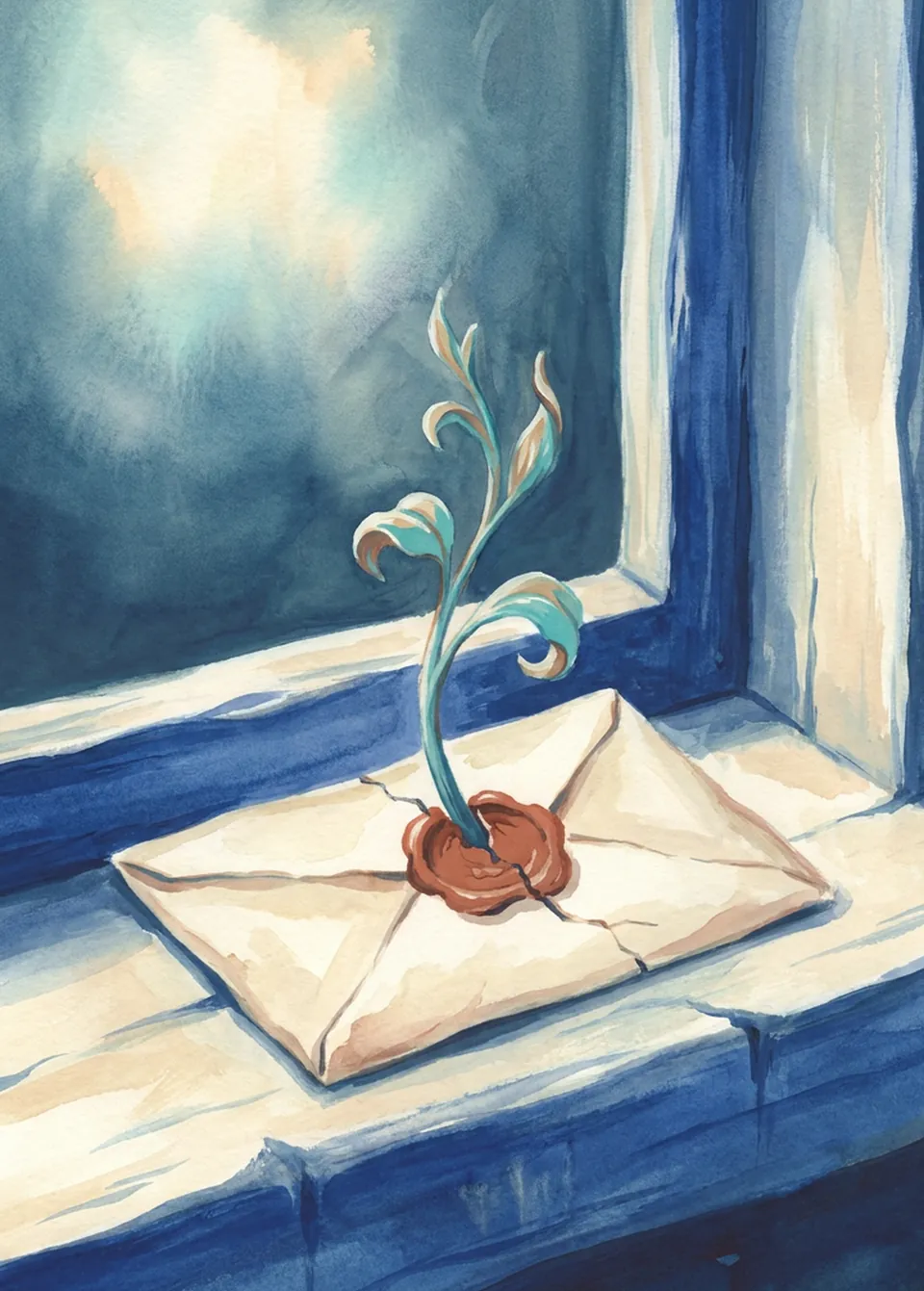
A folded letter lies on a windowsill, and from its cracked red wax seal a slender shoot has broken out and reaches for the light. Ogier Ghiselin de Busbecq, the emperor's envoy at the sultan's court, described the tulip in his letters to Vienna as early as 1555 and sent plant material with them; by that route Clusius received the bulbs he brought to Leiden in 1593 1. Not painted, but the same traffic between courts: in 1566 Joseph Nasi, a diplomat at the Ottoman court, approached Protestants in Antwerp about Ottoman help against the Spanish 2, and Blaeu's map of the Ottoman Empire is dedicated to David le Leu de Wilhem, a Leiden-trained merchant in Aleppo 3.
What it draws on · 3
Busbecq en de bollen
The bulbs came from Istanbul. Ogier Ghiselin de Busbecq, envoy of Emperor Ferdinand I at the sultan's court, described the tulip in his letters to Vienna as early as 1555 and sent plant material with them. Clusius, then imperial prefect in Vienna, received tulips, hyacinths, crown imperials and narcissi by that route — and brought them to Leiden in 1593.
Sources · 3
- Leiden In Motion: De Diversity Walk — Stichting Güney / Turksarchief.nl
- Alles over Bloembollen — 'Clusius en de tulp'
- Ogier Ghiselin de Busbecq — Turkish Letters (1555)
Joseph Nasi
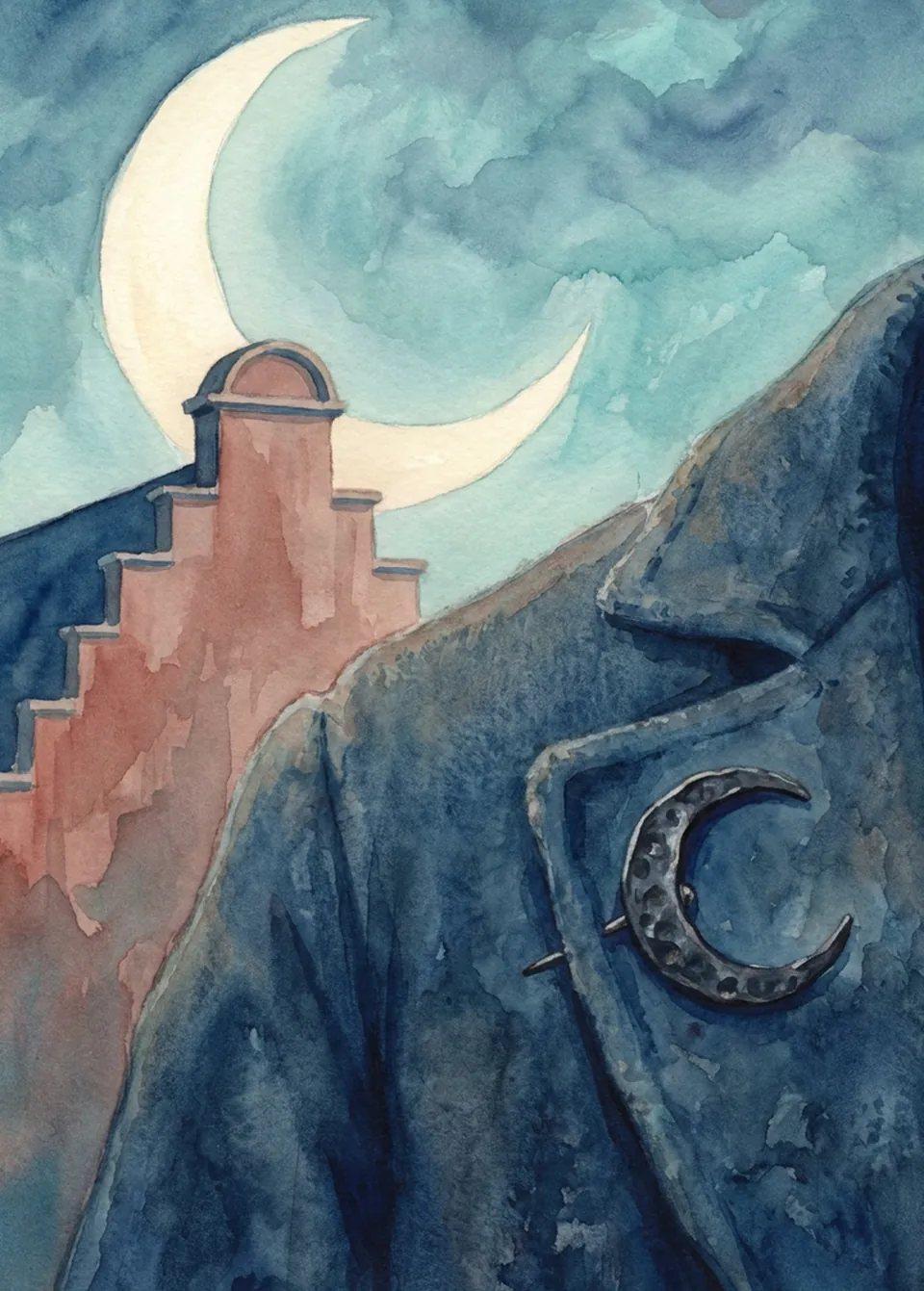
There were real contacts as well. In 1566 Joseph Nasi, a diplomat at the Ottoman court, approached Protestants in Antwerp to discuss an Ottoman offer of help against the Spanish, and from within the empire he declared his support for William of Orange. The crescent on the facade stood for more than a saying.
Sources · 2
- Liever Turks dan Paaps — Engelstalige Wikipedia: Joseph Nasi, 1566, Antwerpen
- IsGeschiedenis — 'Betrekkingen Turkije en Nederland tijdens de Tachtigjarige Oorlog'
de opdracht
The map 'Turcicum Imperium' carries a dedication to David le Leu de Wilhem (1588-1658). He studied theology, law, philosophy and Oriental languages at Leiden, and to command those languages properly he went to the Levant, where he lived from 1616 to 1619 as a merchant in Aleppo and travelled on to Jerusalem, Cairo and Alexandria. Blaeu's map of the Ottoman Empire thus bears the name of a merchant trained in Leiden who traded in the Levant.
Sources · 3
- Nationaal Archief 1.10.54 — Inventaris van het archief van D. le Leu de Wilhem (1588-1658)
- Biografisch Portaal van Nederland — David le Leu de Wilhem
- Willem & Joan Blaeu, 'Turcicum Imperium' — opdrachtcartouche
Shares its places with · 8
 Another FlagHeritage Leiden and Surroundings (Atlas Blaeu)
 A Fragile EmpireHeritage Leiden and Surroundings (Atlas Blaeu)
 The Tree Comes HomeHortus Botanicus Leiden
 A Flower Named After a HatHortus Botanicus Leiden
 Under GlassHortus Botanicus Leiden
 Remain What You AreLeiden City Hall - Crescent Moons
 The Refilled CityLeiden City Hall - Crescent Moons
 The MoonLeiden City Hall - Crescent Moons
Painted with an image model from the facts on this page, and chosen by hand. City in Motion.