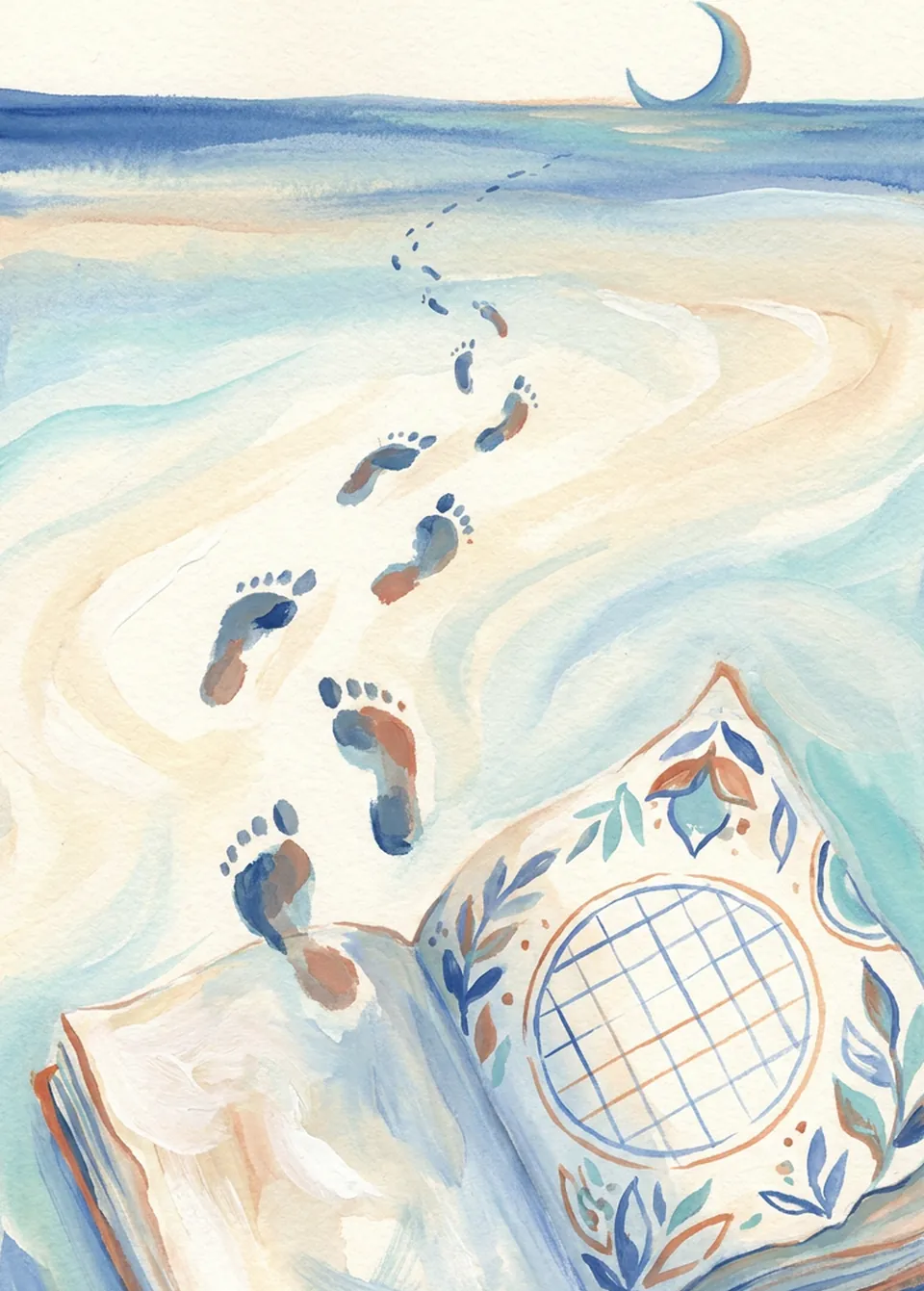
The Departure
Leaving is where the counting begins.
Why this image
Footprints come up from the sea, where a crescent moon sits on the horizon, and cross the pale sand to an open book in the foreground; on its page a round grid is drawn inside a border of leaves. Al-hijra means the departure: Muhammad's journey from Mecca to Medina, the moment at which the Islamic calendar begins, and the name of a Leiden community that had itself moved 1. Leaving began other counts too: in 1620 fewer than half of the Pilgrims sailed, 41 of the 102 aboard the Mayflower 2, and on 19 August 1964 the Netherlands signed a recruitment agreement with Turkey; between 1960 and 1973 some 65,000 Turkish migrants came 3.
What it draws on · 3
de naam Al Hijra
Al-hijra means the departure: Muhammad's journey from Mecca to Medina, the moment at which the Islamic calendar begins. A community that has itself moved — from one country to another, and later from one street to another — therefore carries a name meaning exactly that.
Sources · 2
- Islamitische kalender — Nederlandstalige Wikipedia: hidjra, begin van de jaartelling, 622
- Islamitisch Centrum Al Hijra Leiden — alhijra.nl
wie er vertrok en wie bleef
Leiden was not a stopover but their home for nearly twelve years. In 1620 fewer than half the community left: they sailed from Delfshaven on the Speedwell to Southampton and there transferred to the Mayflower. Of the 102 people aboard the Mayflower, 41 were Pilgrims. The rest followed later or never — on the Fortune (1621), the Anne and the Little James (1623), and a second Mayflower (1629).
Sources · 2
- Nederlandstalige Wikipedia — Pilgrim Fathers: Speedwell, Mayflower, Fortune, Anne, Little James
- Pieterskerk Leiden — 'Pilgrims: tentoonstelling & historie'
gastarbeiders
On 19 August 1964 the Netherlands signed a recruitment agreement with Turkey; between 1960 and 1973 some 65,000 Turkish migrants came. Those who came to Leiden worked at the Verto rope factory in Leiderdorp, or at the Grofsmederij, the heavy forge that stood where the Ankerpark lies today.
Sources · 2
- Canon Sociaal Werk — 1964 Wervingsverdrag Nederland-Turkije
- Sleutelstad / Centraal+ — zestig jaar Turkse Leidenaren (2024)
Shares its places with · 11
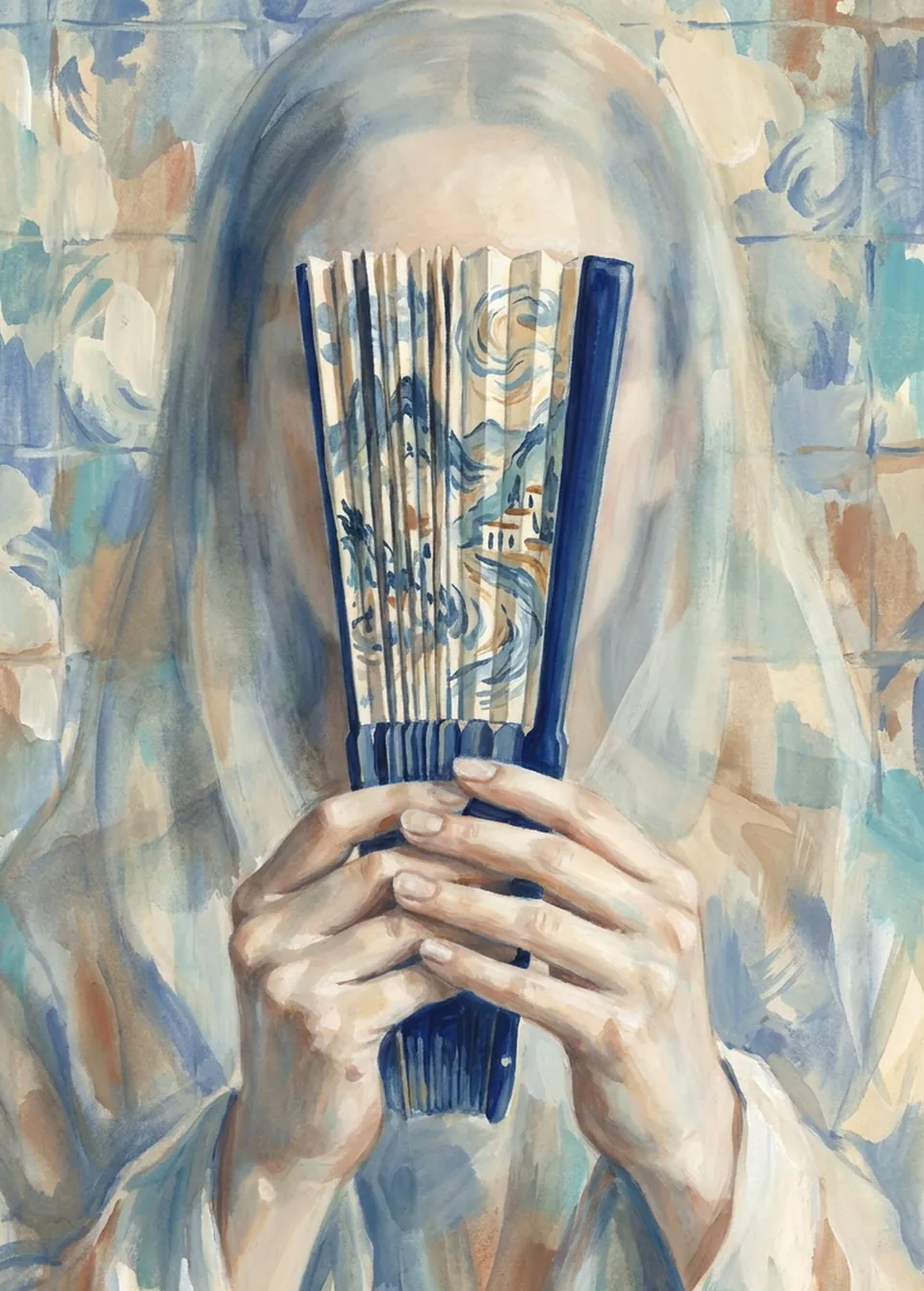 The SilenceFirst Turkish Tea House
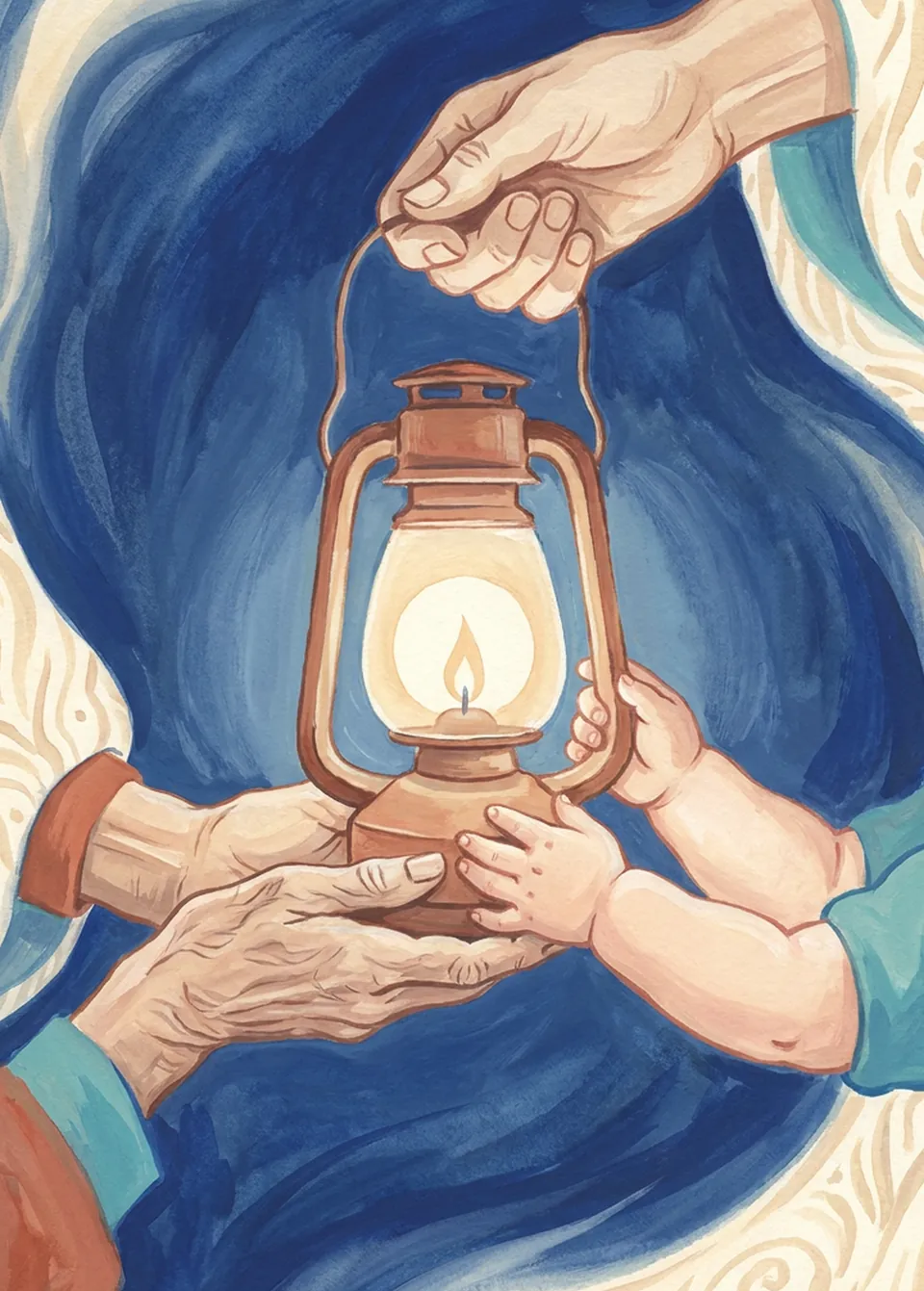 Forever RenewedFirst Turkish Tea House
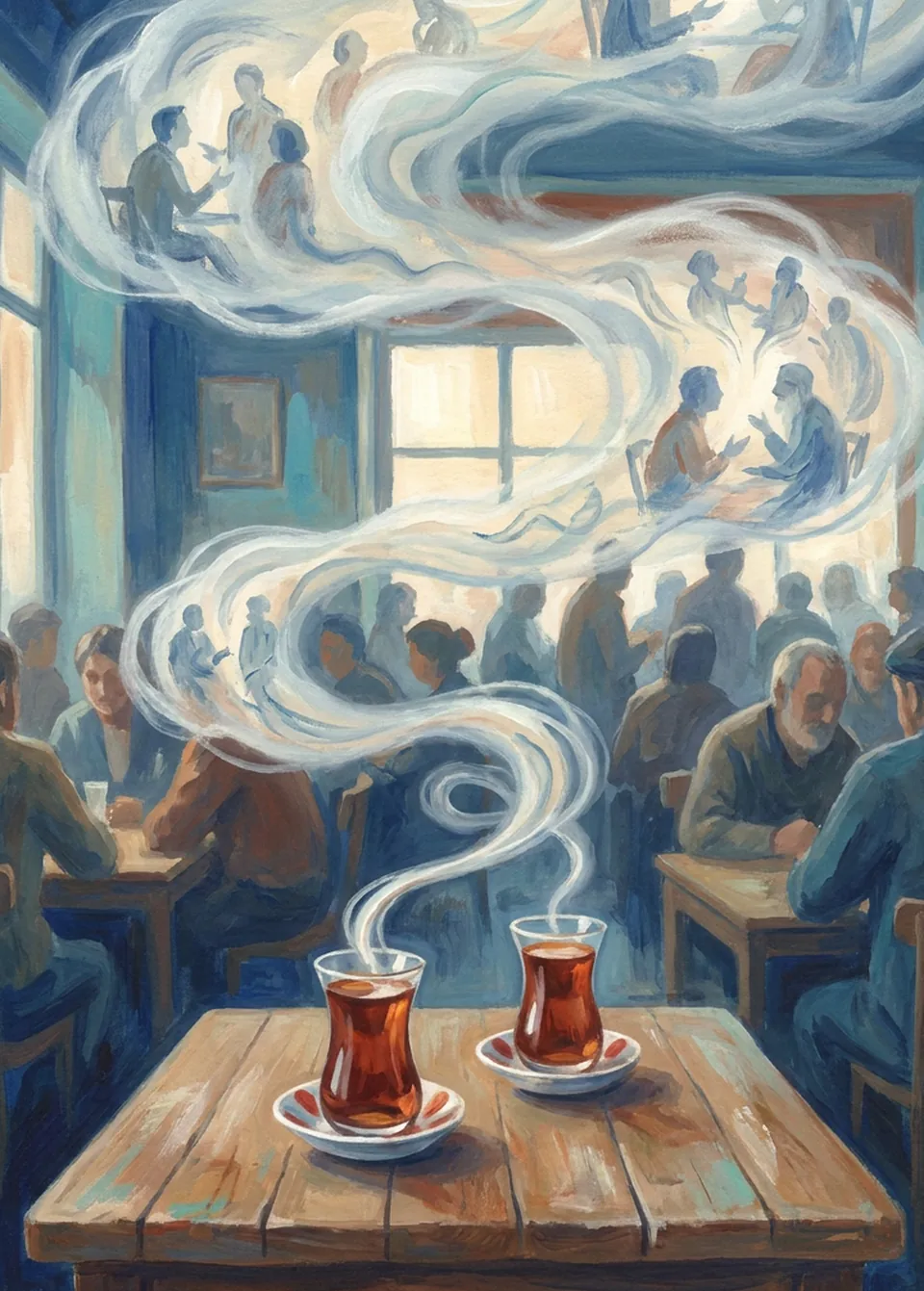 In the SteamFirst Turkish Tea House
 Carried HomeLeiden American Pilgrim Museum
 Half SailedLeiden American Pilgrim Museum
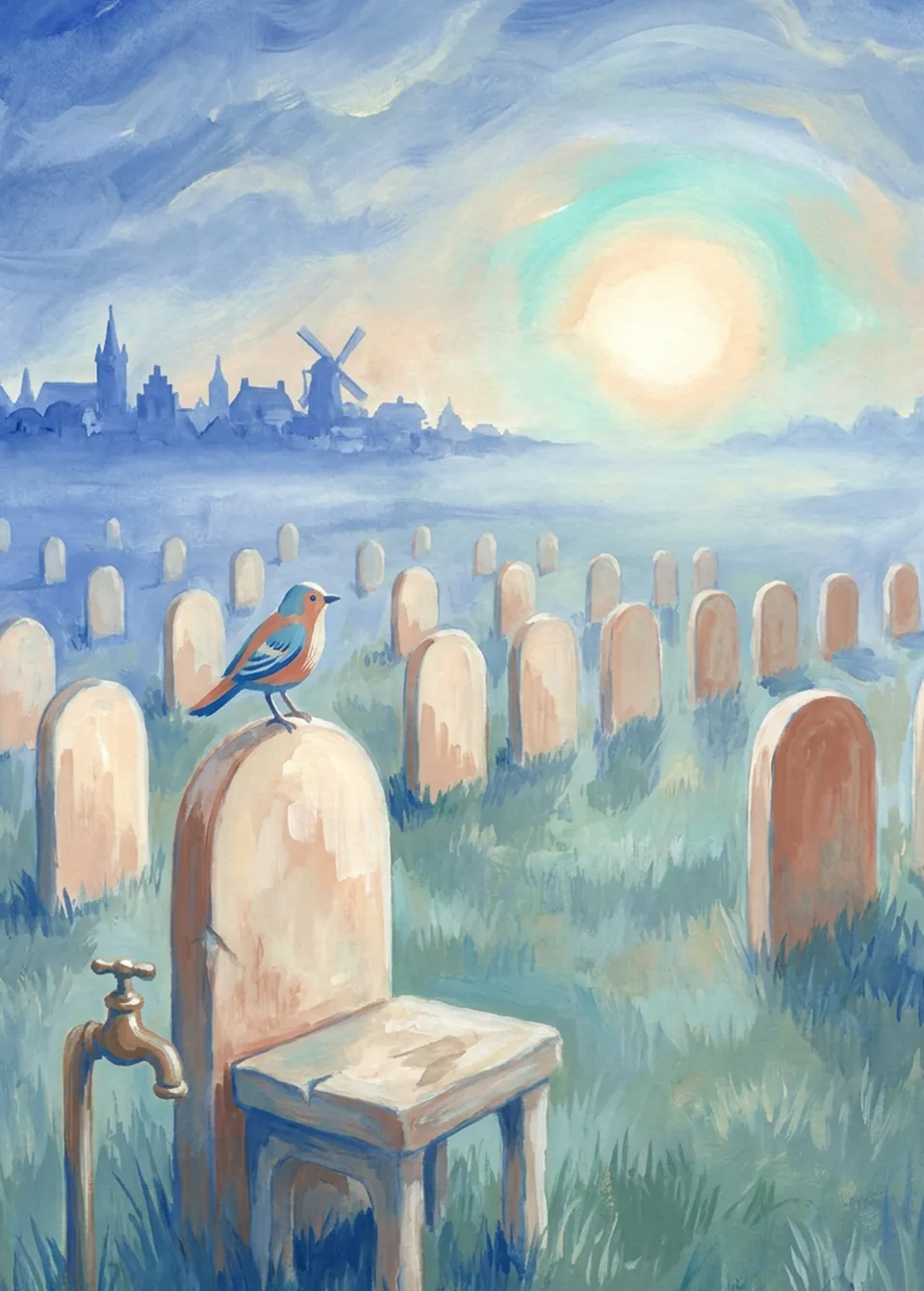 Facing FarLeiden American Pilgrim Museum
 Remain What You AreLeiden American Pilgrim Museum
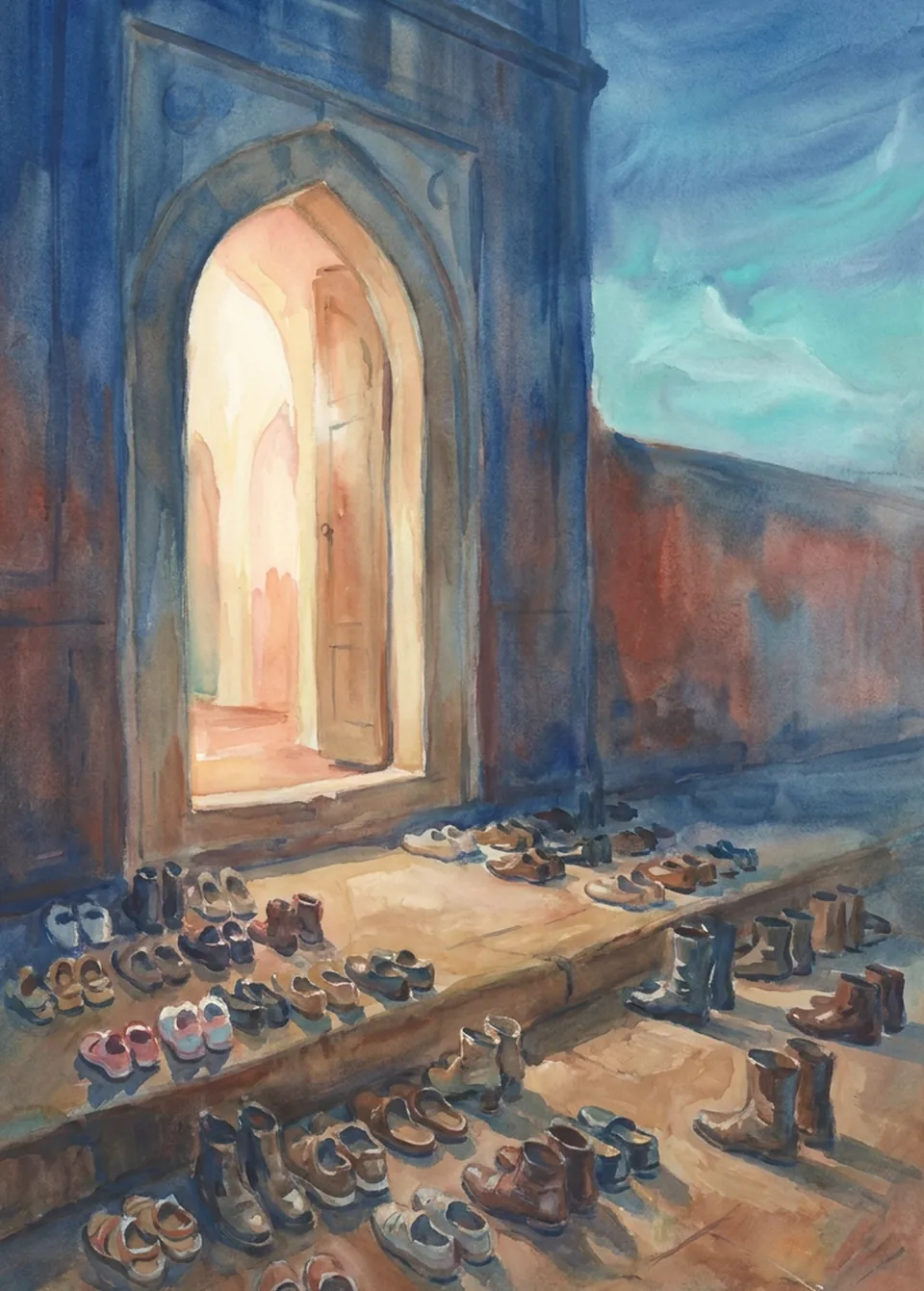 Come and LookFormer Islamic Center Leiden (ICL), Now Al Hijra
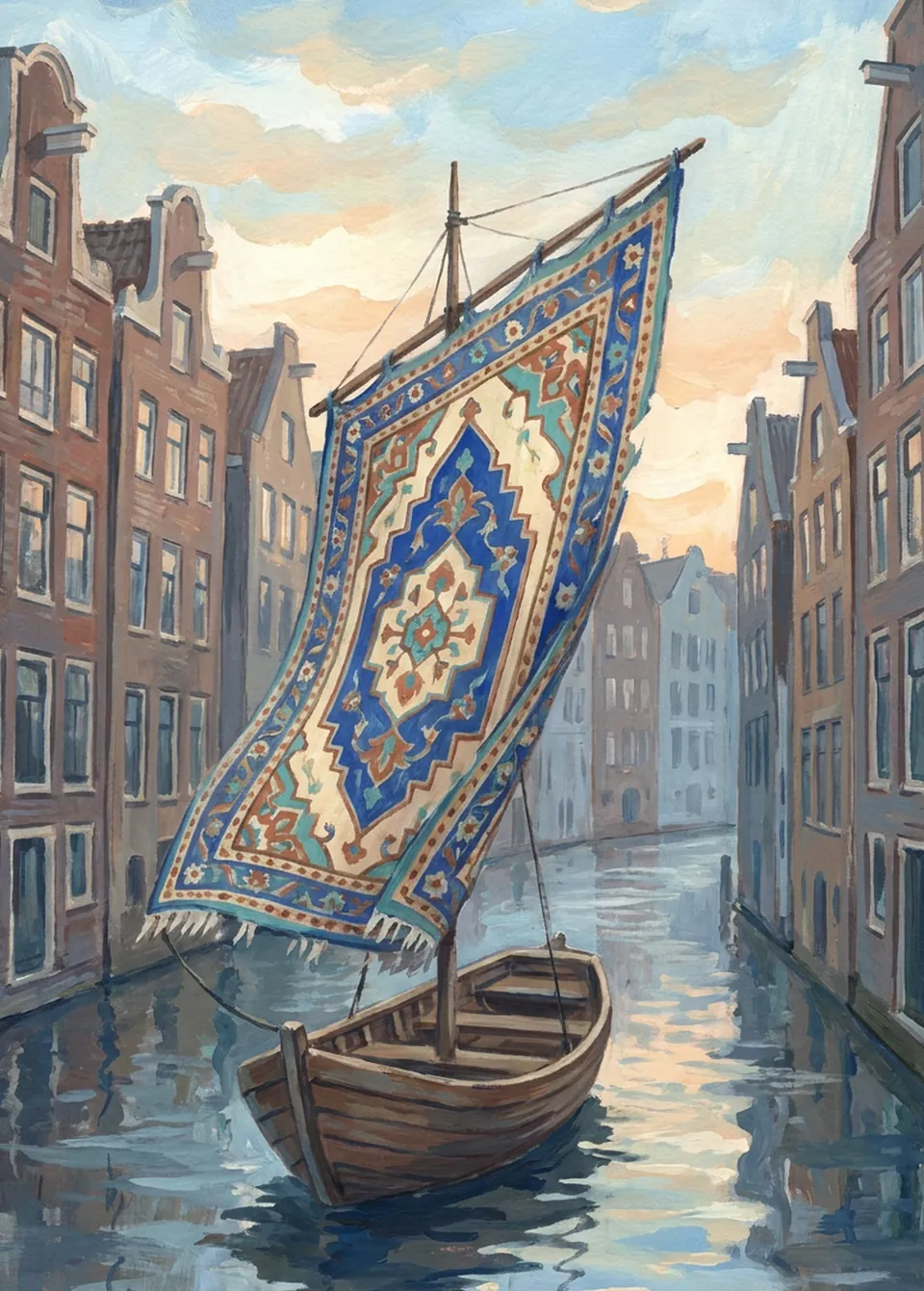 The Moving PrayerFormer Islamic Center Leiden (ICL), Now Al Hijra
 The Next HouseFormer Islamic Center Leiden (ICL), Now Al Hijra
 The Kitchen FirstFormer Islamic Center Leiden (ICL), Now Al Hijra
Painted with an image model from the facts on this page, and chosen by hand. City in Motion.