The Next House
What one community leaves behind becomes the next one's first home.
Why this image
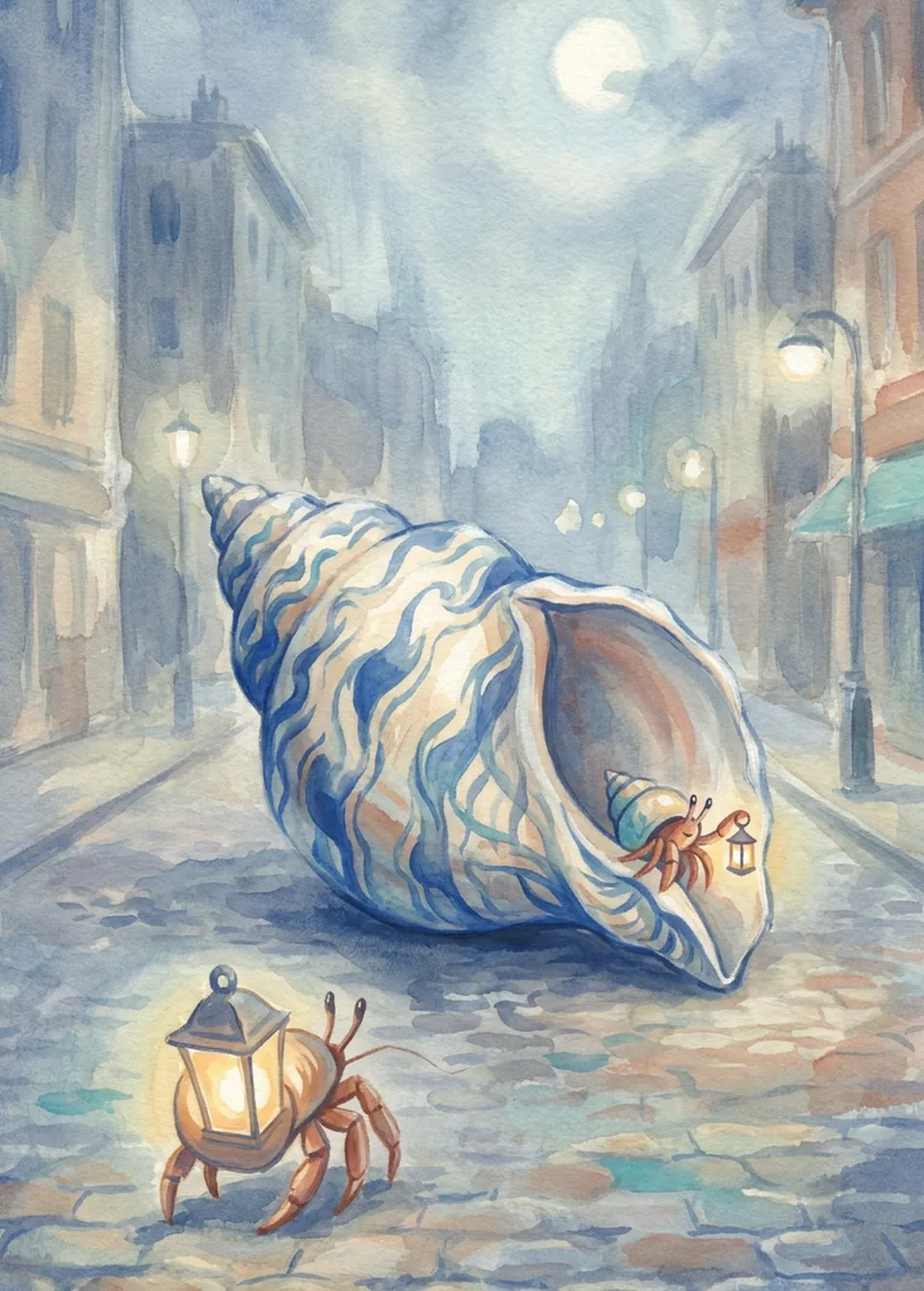
A great shell, striped cobalt on ivory, lies in a misty city street at night. One hermit crab walks away from it with a lantern; a smaller one, with a lantern of its own, settles into its mouth. The city is full of such moves. A religious community's building, out of use since 1969, became Al Hijra's own in 1982 1. The Pilgrims' houses by the Pieterskerk made way for an almshouse for elderly Walloons 2. A nuns' chapel became the Academy Building 3, and a beguinage chapel the university library from 1595 to 1983 4. A former taxi garage held a mosque community until its new mosque opened in 2012 5, and a house that cared for orphans for four centuries now houses children's rights 6.
What it draws on · 6
het gebouw dat van hand wisselde
The building on the Rembrandtstraat had been in use by the Apostolisch Genootschap before that; it went out of use in 1969. In 1982 Al Hijra moved in: 'In 1982 we took up residence in our building on the Rembrandtstraat in Leiden.' What one religious community left behind became the next one's first house of its own.
Sources · 2
- Reliwiki — Leiden, Rembrandtstraat: voorheen Apostolisch Genootschap, buiten gebruik 1969; moskee Al Hijra vanaf ca. 1982
- Islamitisch Centrum Al Hijra Leiden — alhijra.nl
Kloksteeg 21
Kloksteeg 21 is exactly where the Pilgrims lived. In 1609 John Robinson bought a house with ground beside the Pieterskerk and had twenty-one small houses built there for his followers; the neighbourhood came to be called the Engelse Poort, the English Gate. In 1683 those houses had to make way for the Jean Pesijnhofje, founded by Marie de Lannoy, widow of Jean Pesijn, for elderly members of the Walloon church. The dwellings of one group of refugees became the almshouse for the old people of the next.
Sources · 3
- Mayflower 400 Leiden — Jean Pesijnhofje
- Visit Leiden — Jean Pesijn Almshouse, Kloksteeg 21
- American History Central — 'Jean Pesijnhof: site of John Robinson's home', Pilgrim Route Leiden
de kloosterkerk
The Academy Building was originally a monastery church: the chapel of the Dominican nuns, consecrated in 1516. After the Reformation the nuns had gone and the building stood empty; in 1581 the university took the chapel into use. A floor was laid into it, and that is still visible in the windows that are cut off halfway.
Sources · 2
- Universiteit Leiden — Academiegebouw: voormalige kloosterkerk van de dominicanessen, gewijd 1516
- Open Monumenten Dagen Leiden — Academiegebouw
de Faliede Bagijnhof
The building goes back to the late-medieval Faliede Bagijnhof, a beguinage — a house for lay religious women; its chapel was rebuilt in 1591-93 and taken into use as the university library. The library stayed here from 1595 to 1983 — three hundred and eighty-eight years — and the building is still called the Oude UB for that reason.
Sources · 2
- Universiteit Leiden — Oude UB: Faliede Bagijnhof, kapel verbouwd 1591-1593, bibliotheek 1595-1983
- Universiteit Leiden — 'Locaties toen en nu'
van taxigarage tot moskee
The association was first housed in a former taxi garage on the Bonairestraat, but that building became too small for the number of people coming in daily. On 15 June 2012 the new mosque opened at Nieuwe Marnixstraat 80, designed by the architect Gerard Rijnsdorp.
Sources · 2
- Nederlandstalige Wikipedia — Islamitisch Centrum Imam Malik: opening 15 juni 2012, architect Gerard Rijnsdorp, voorheen Bonairestraat
- ICIM Leiden — icimleiden.nl
van zorg naar recht
After 1961 the building had changing uses, until between 2007 and 2010 it was thoroughly restored — a restoration that deliberately took account of the four centuries the house had spent as an orphanage. Since 2010 it has been the Utopa-Weeshuis / Kinderrechtenhuis, an initiative of the cultural entrepreneur Loek Dijkman. Where children were once cared for, the subject is now their rights.
Sources · 3
- Utopa-Weeshuis Kinderrechtenhuis Leiden — utopa-weeshuis.nl
- Kentie Architecten — project Kinderrechtenhuis Leiden (restauratie 2007-2010)
- Nederlandstalige Wikipedia — Heilige Geest- of Arme Wees- en Kinderhuis
Shares its places with · 16
 Come and LookLeiden University - Islamic Studies · Foundation Islamic Center Imam Malik · Former Islamic Center Leiden (ICL), Now Al Hijra
 A Wall in Your ScriptLeiden University - Islamic Studies · Leiden University (Academy Building)
 Under One RoofChildren's Rights House · Leiden Courtyards (Hofjes)
 Bread for a TokenChildren's Rights House · Leiden Courtyards (Hofjes)
 The Moving PrayerFoundation Islamic Center Imam Malik · Former Islamic Center Leiden (ICL), Now Al Hijra
 Forever RenewedLeiden University - Islamic Studies
 The Same RouteLeiden University - Islamic Studies
 East Through BooksLeiden University - Islamic Studies
 The Sky TurnsLeiden University (Academy Building)
 The Refilled CityLeiden University (Academy Building)
 From Care to RightsChildren's Rights House
 Higher GroundChildren's Rights House
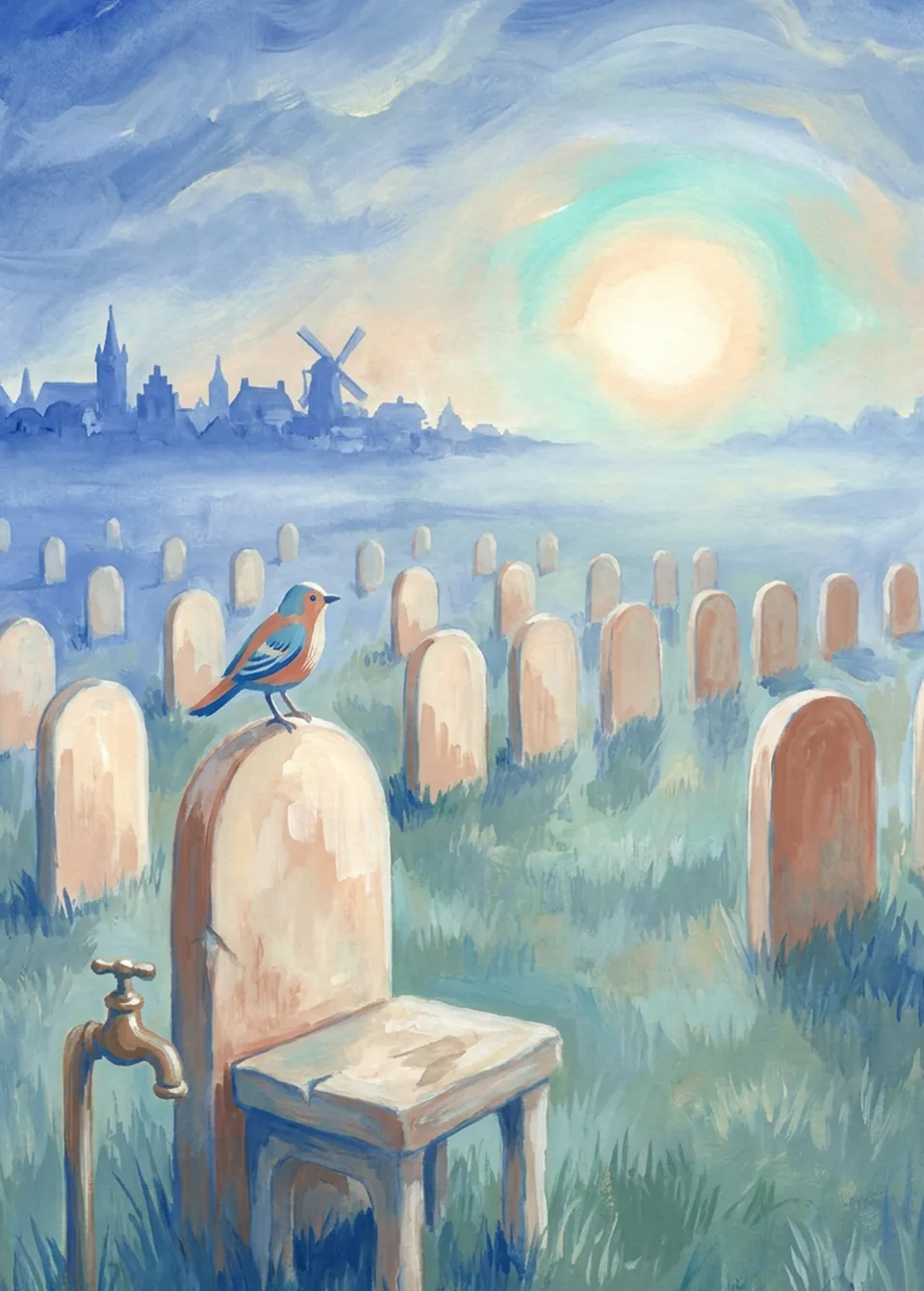 Facing FarFoundation Islamic Center Imam Malik
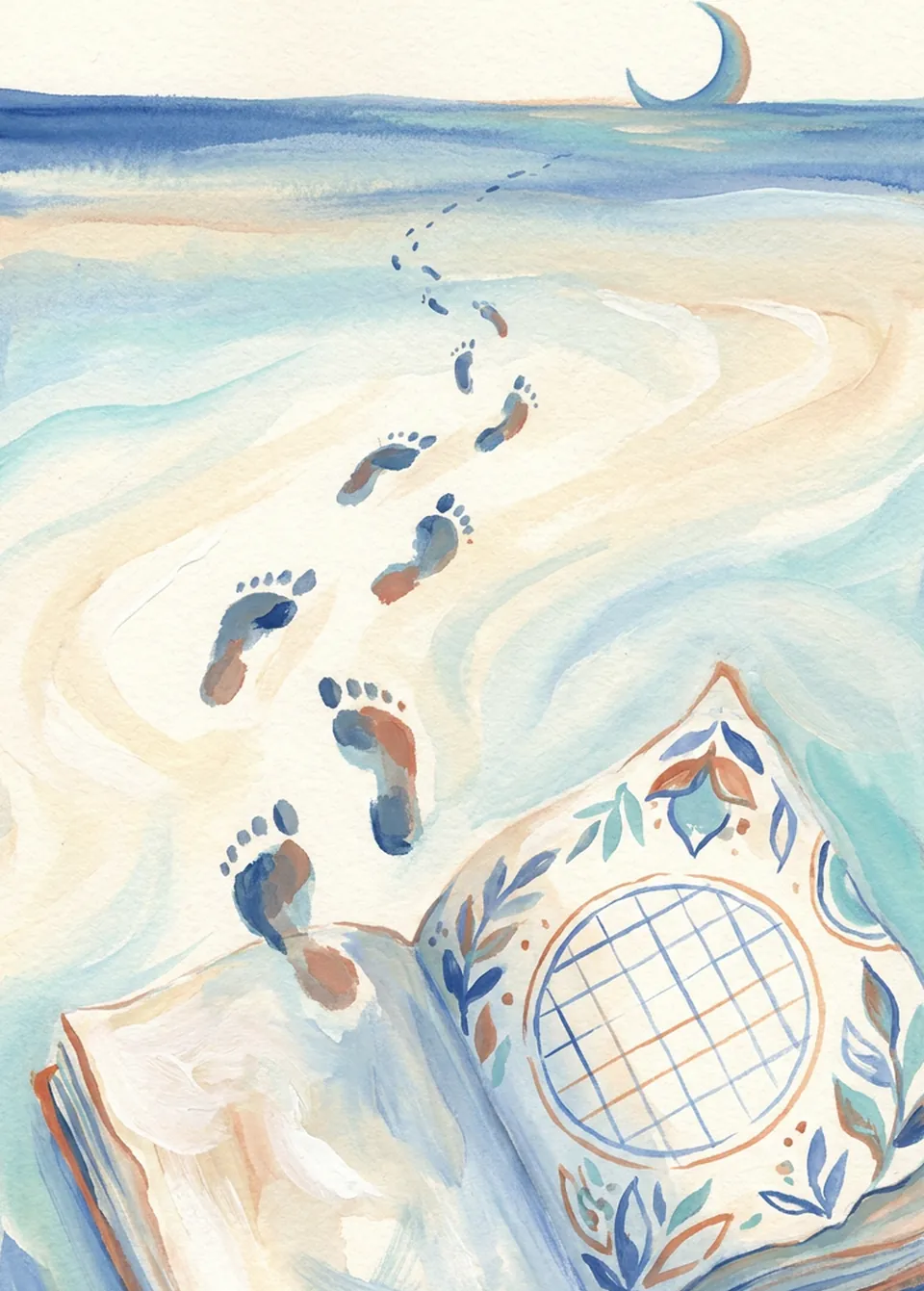 The DepartureFormer Islamic Center Leiden (ICL), Now Al Hijra
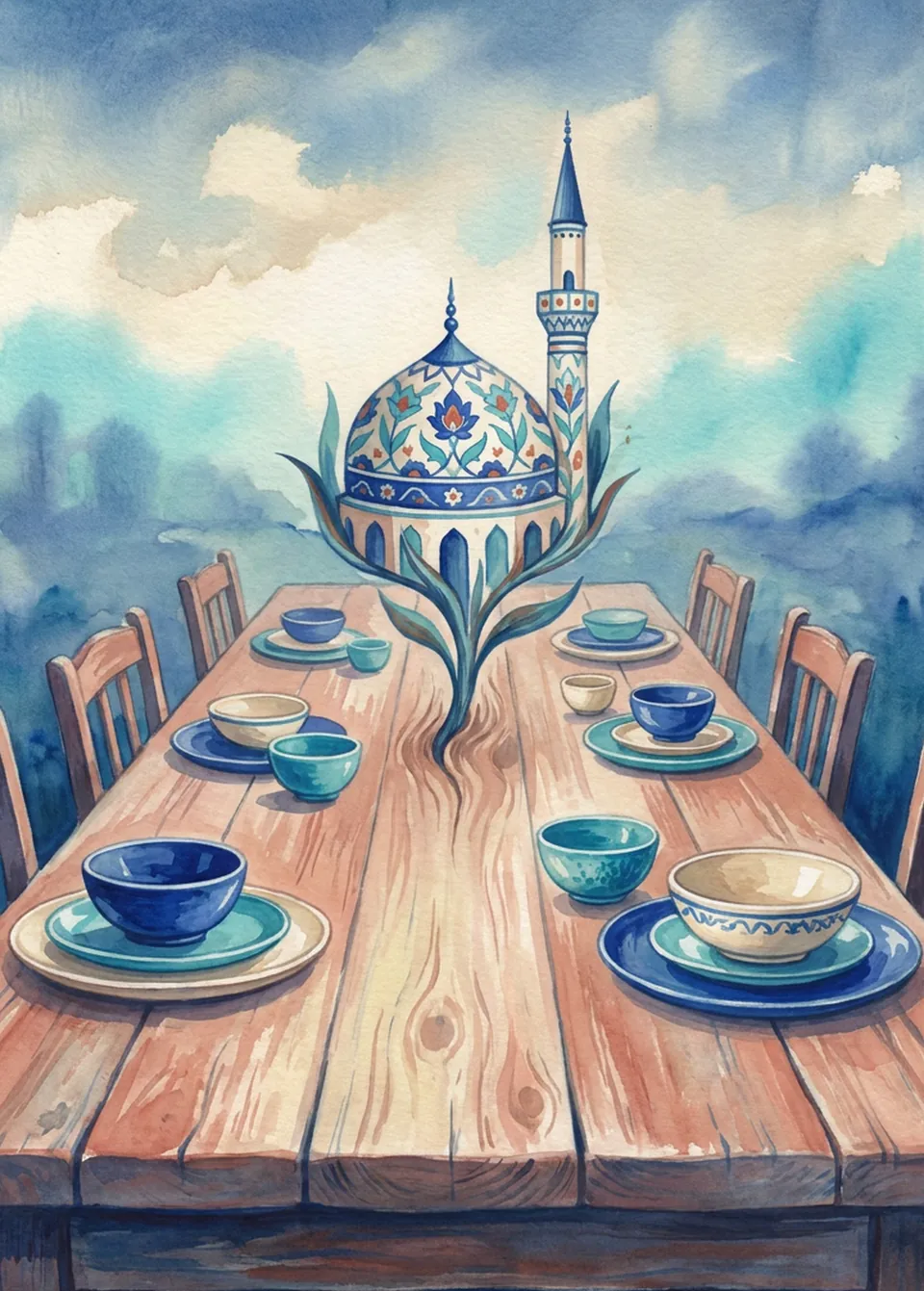 The Kitchen FirstFormer Islamic Center Leiden (ICL), Now Al Hijra
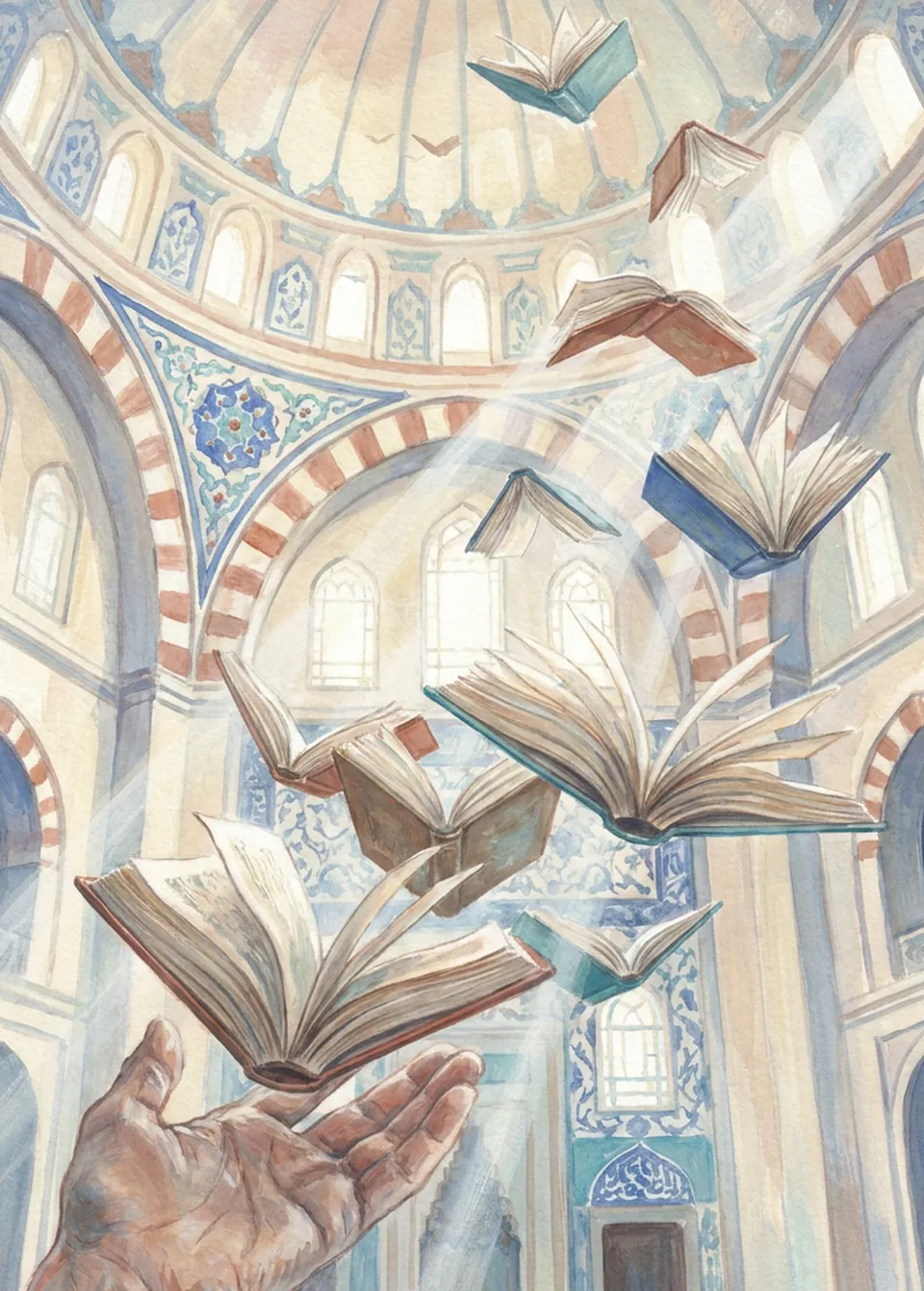 The BequestLeiden Courtyards (Hofjes)
Painted with an image model from the facts on this page, and chosen by hand. City in Motion.