The Refilled City
After the siege the city did not recover; it was filled again by strangers.
Why this image
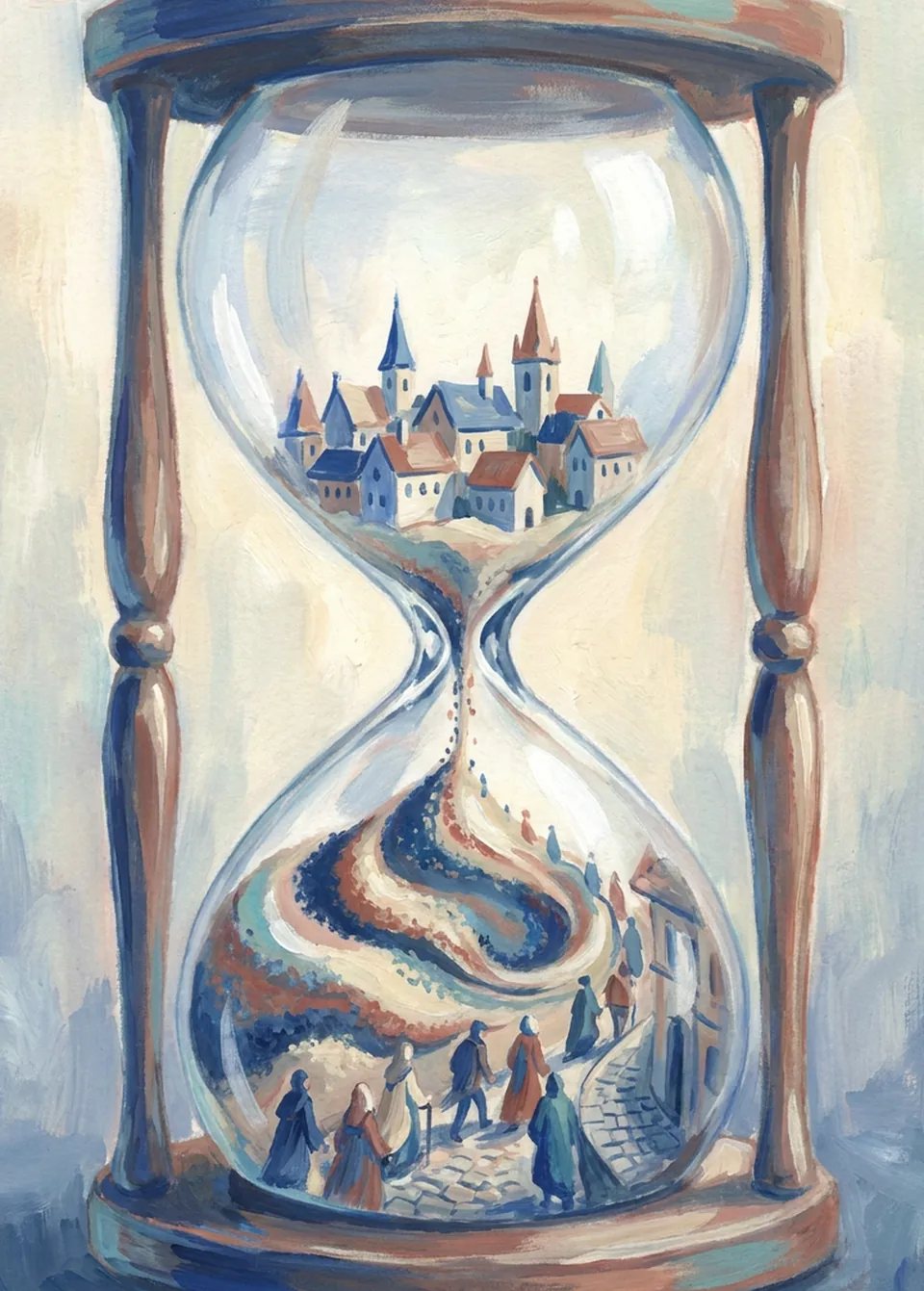
In an hourglass the upper half holds a small town of roofs and spires with no one in it; its sand of cobalt, terracotta and ivory runs down and, in the lower half, becomes a cobbled street filling with walking figures. Before the siege of 1574 Leiden had about 12,500 inhabitants, a third of whom died; between 1577 and 1670 an estimated hundred thousand immigrants came, and by about 1670 there were nearly 70,000 1. The Sea Beggars freed the city in 1574 4, and on 8 February 1575 the university was founded as the reward for a siege endured 2. Not painted, but the same: at De Lakenhal the cloth and the siege come together in two rooms 3.
What it draws on · 4
de stad die zich opnieuw vulde
Before the siege of 1574 Leiden had about 12,500 inhabitants, and roughly a third of them died during it. By 1622 there were 45,000, and by about 1670 nearly 70,000. Between 1577 and 1670 an estimated hundred thousand immigrants came to the city. Leiden did not recover from the siege; it was repopulated.
Sources · 1
- Nederlandstalige Wikipedia — Geschiedenis van Leiden: 12.500 inwoners voor 1574, een derde omgekomen, 45.000 in 1622, bijna 70.000 omstreeks 1670, ca. 100.000 immigranten tussen 1577 en 1670
8 februari 1575
On 8 February 1575 the Academia Lugduno-Batava was founded here, the first university of the northern Netherlands. It was a gift from William of Orange to Leiden, in appreciation of the city's resistance to the Spanish occupier, a year after the Relief of 1574. The university is therefore the reward for a siege endured.
Sources · 2
- Universiteit Leiden — Academiegebouw: oprichting 8 februari 1575, geschenk van Willem van Oranje
- Leiden University — Engelstalige Wikipedia
wat er te zien is
The permanent collection is divided into seven presentations, among them 'Seven Centuries of Leiden Cloth' — with Isaac Claesz. van Swanenburg's series of paintings on the working of wool — and 'The Siege and Relief of Leiden', on 1574. In those two rooms the two threads of this walk come together: the cloth and the revolt.
Sources · 2
- Museum De Lakenhal — lakenhal.nl: collectiepresentaties, waaronder 'Zeven eeuwen Leids Laken' en 'De Belegering en het Ontzet van Leiden'
- Museum De Lakenhal — Isaac Claesz. van Swanenburg, schilderijenreeks over de lakennijverheid
Liever Turcks dan Paaps
'Liever Turcks dan Paaps' — rather Turkish than papist — was the slogan of the revolt. The Sea Beggars, who freed Leiden from the Spanish in 1574, wore the saying on crescent-shaped geuzenpenningen, the Beggars' medals, pinned to the sleeve as a party badge. The crescents on the town hall are attributed to that same slogan.
Sources · 4
- Leiden In Motion: De Diversity Walk — Stichting Güney / Turksarchief.nl
- Dutch Revolt (Universiteit Leiden) — spreuken: 'Liever Turks dan paaps'
- Rijksmuseum — Geuzenpenning in de vorm van een halve maan
- Mare — 'Langs de Leidse halve maantjes'
Shares its places with · 10
 A Thread from FarMunicipal Museum De Lakenhal · Walloon Church
 Remain What You AreWalloon Church · Leiden City Hall - Crescent Moons
 The ScaleMunicipal Museum De Lakenhal
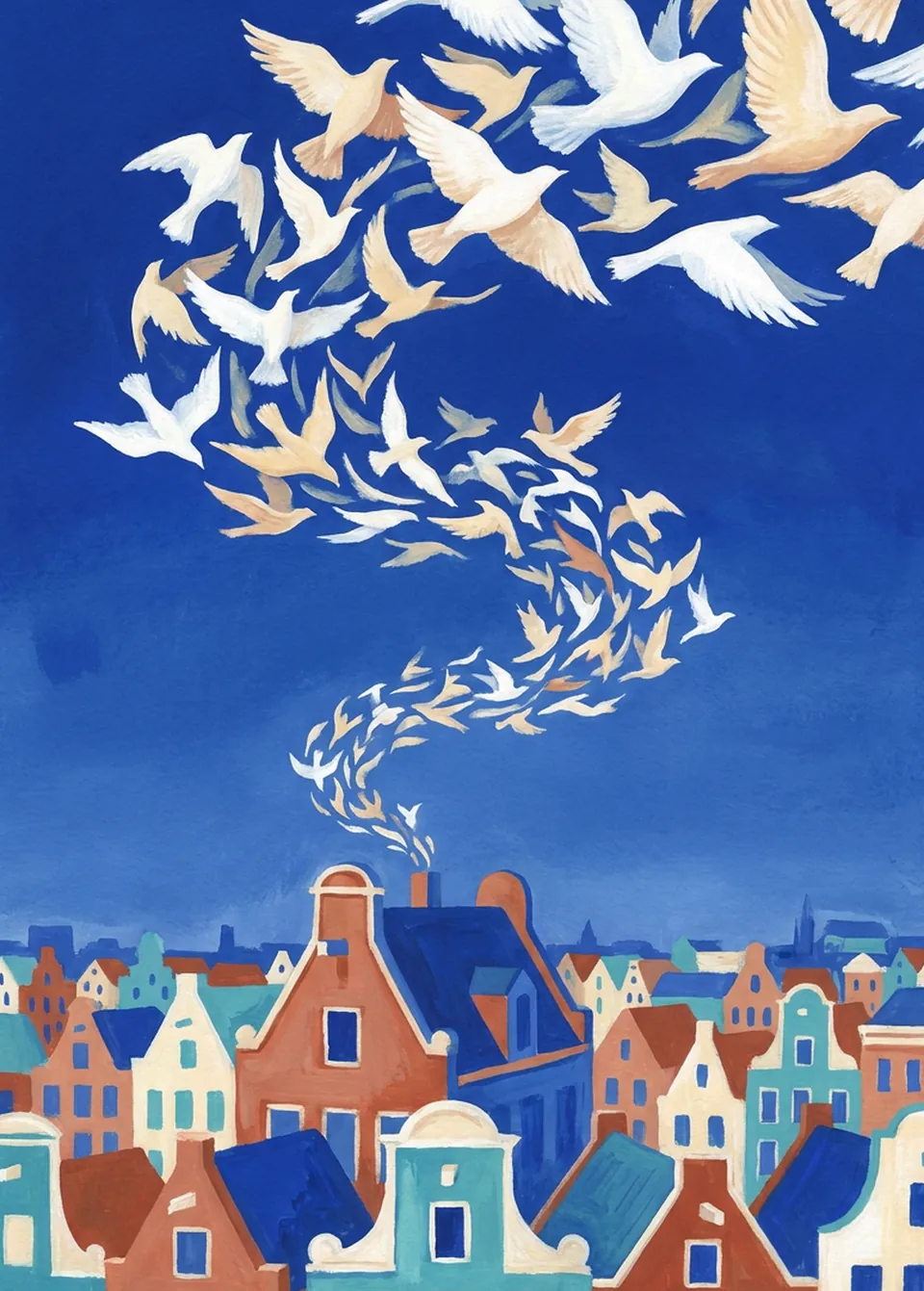 A Voice in the AirWalloon Church
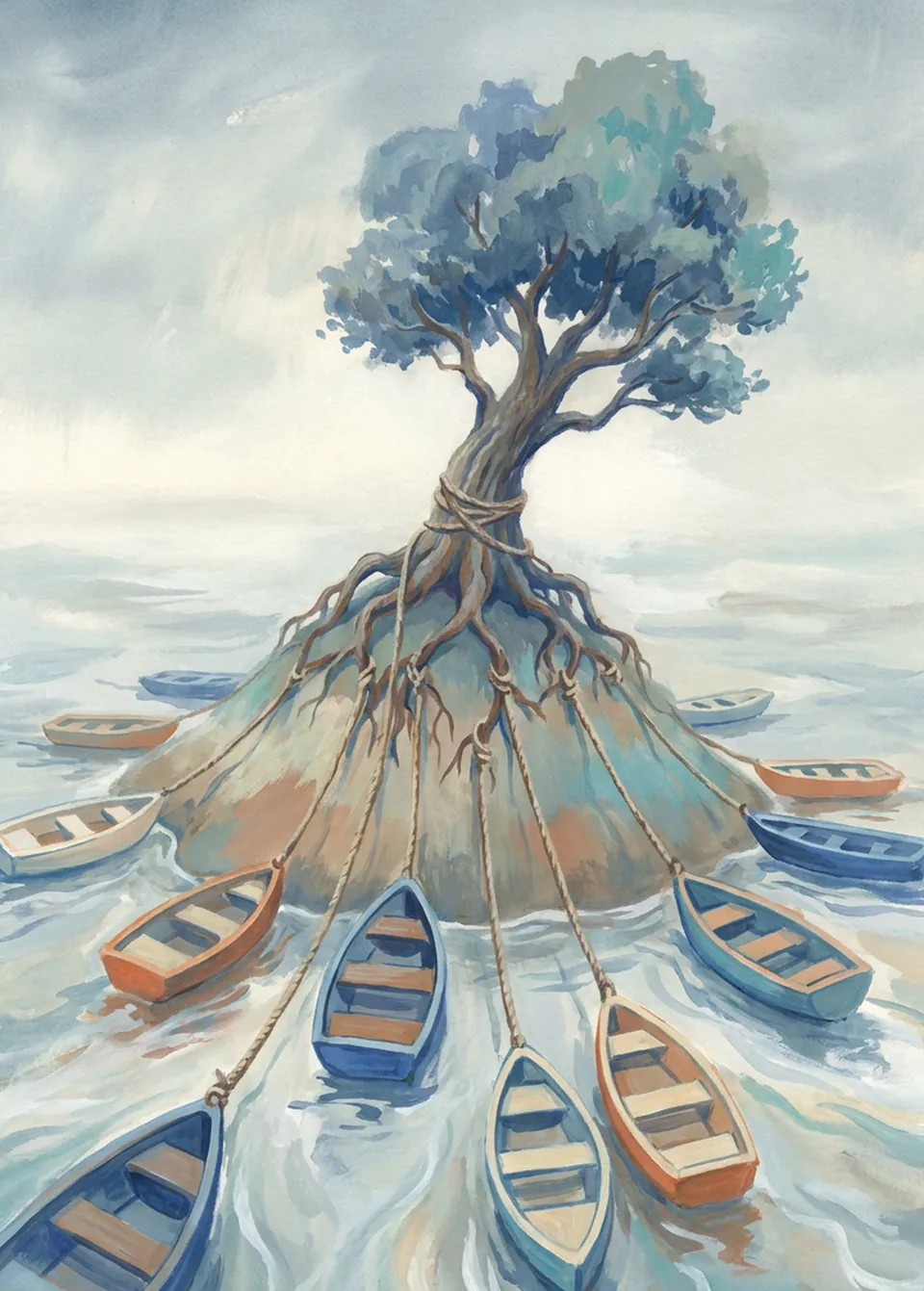 Higher GroundWalloon Church
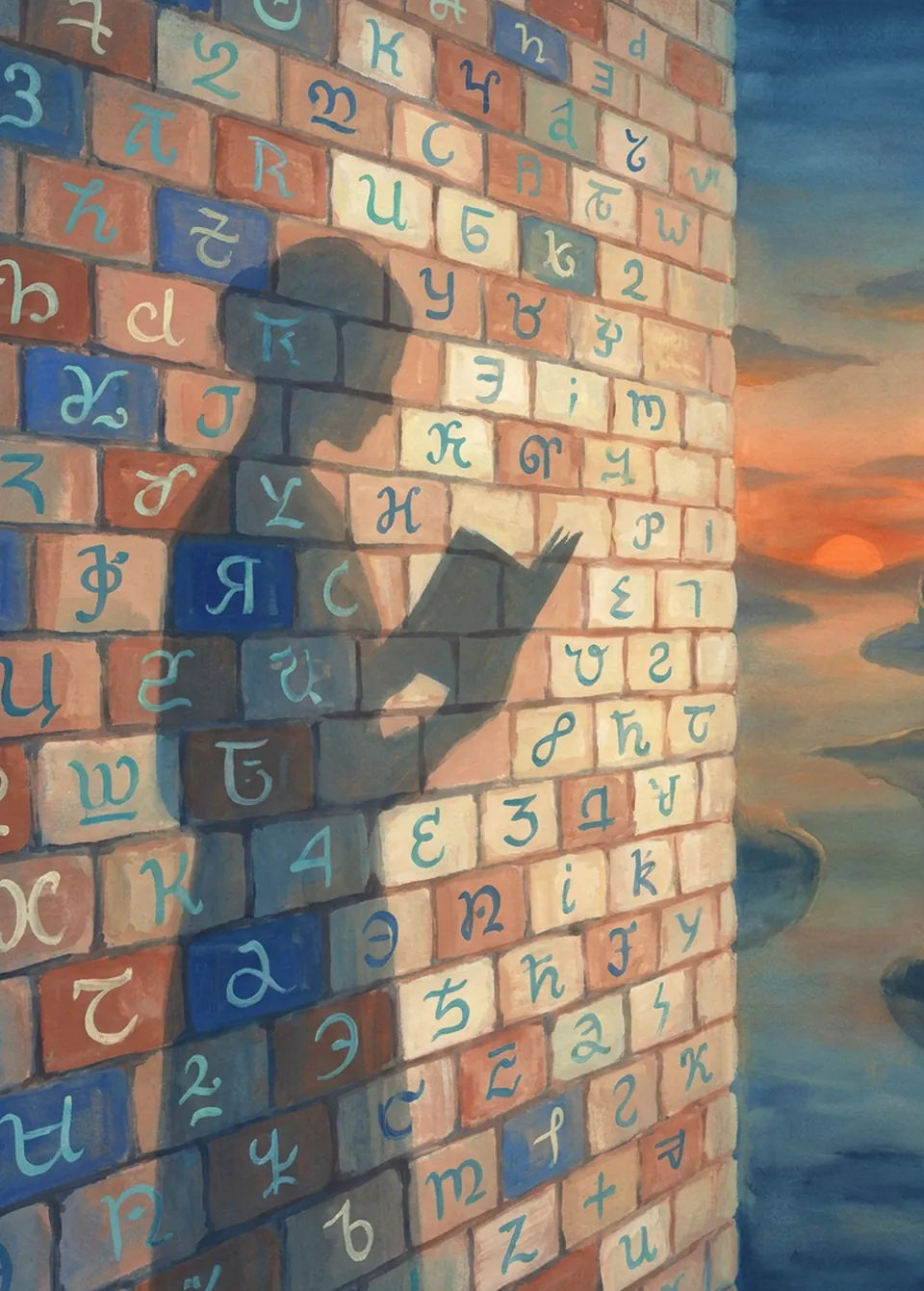 A Wall in Your ScriptLeiden University (Academy Building)
 The Sky TurnsLeiden University (Academy Building)
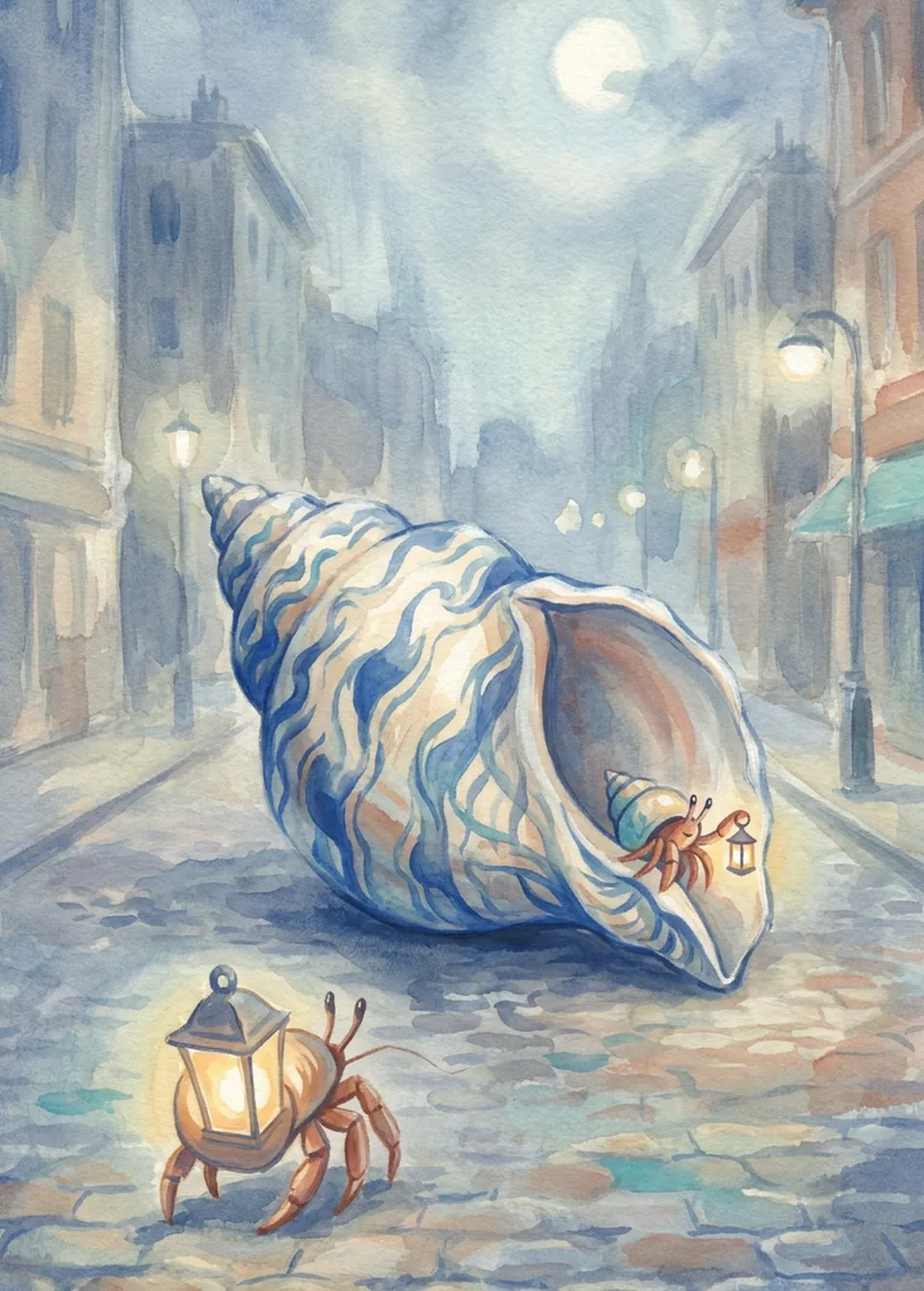 The Next HouseLeiden University (Academy Building)
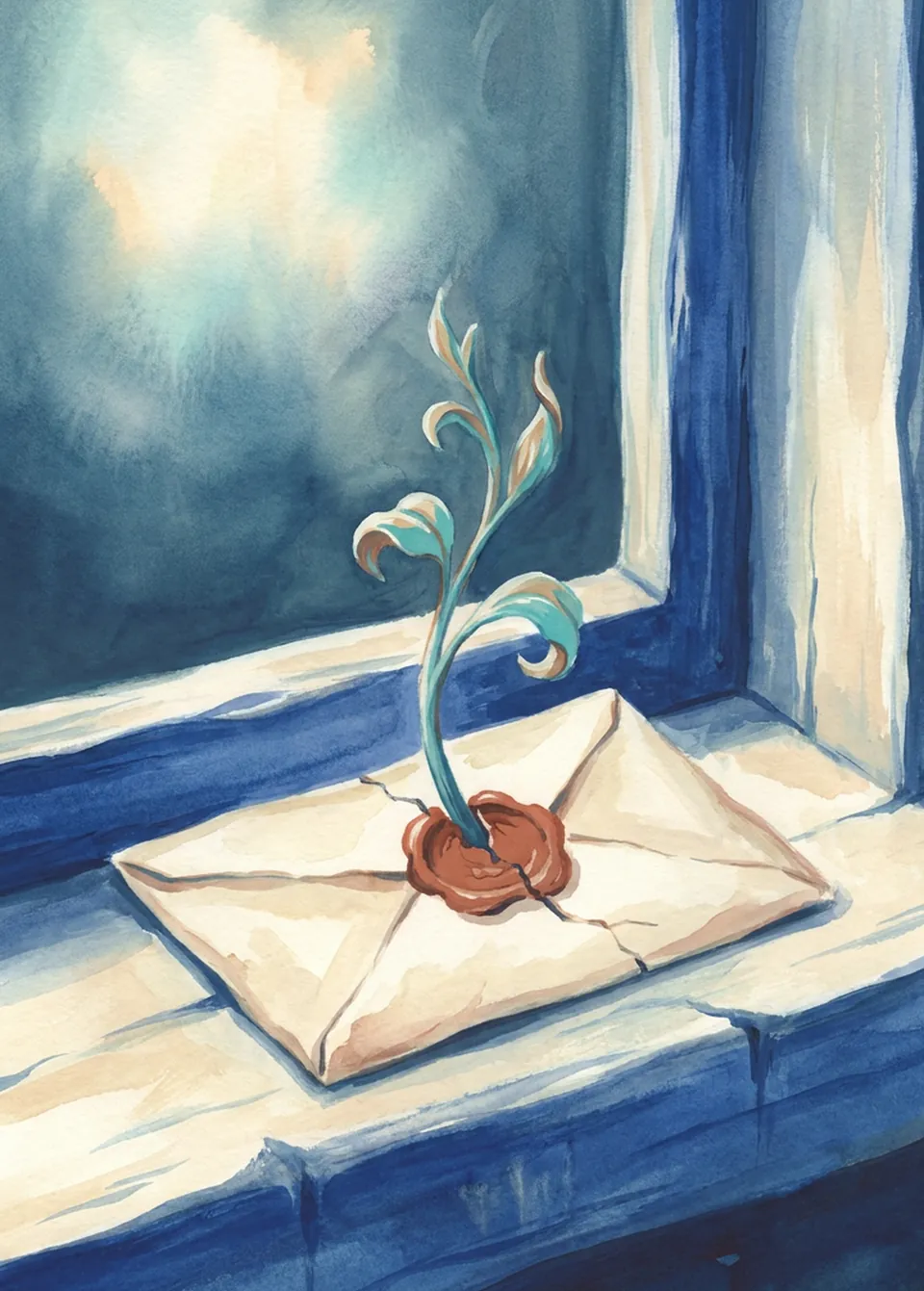 A Seed in a LetterLeiden City Hall - Crescent Moons
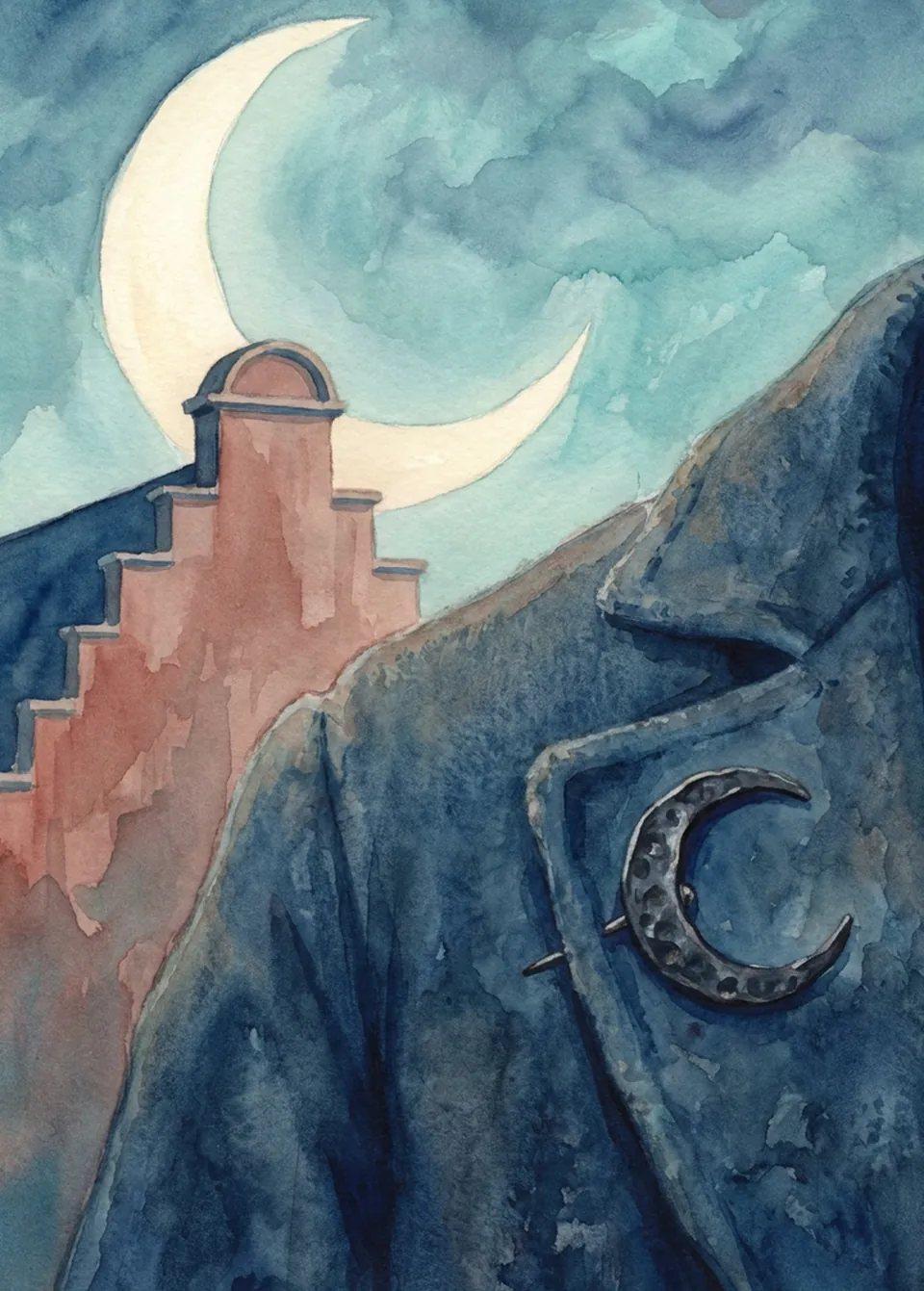 The MoonLeiden City Hall - Crescent Moons
Painted with an image model from the facts on this page, and chosen by hand. City in Motion.