
The Sky Turns
The galaxy we live in turns, and someone here first noticed.
Why this image
A spiral galaxy turns inside a white porcelain cup painted with blue flowers, slowly stirred by a silver spoon, and stars spill over the rim. At the Leiden Observatory Jan Hendrik Oort studied the motions of stars near the sun and discovered that our galaxy rotates 1. Einstein was made a special professor in 1920, gave his inaugural lecture on 27 October of that year, and came back for a month every year to talk with Lorentz, Ehrenfest and De Sitter 2. Not painted, but the same looking up: the Academy Building was given a small observatory on its roof in 1632 3.
What it draws on · 3
De Sitter, Hertzsprung, Oort
In the twentieth century this observatory became an international centre. Willem de Sitter was its director and worked with Einstein on the cosmological consequences of general relativity. Ejnar Hertzsprung came in 1920 as professor for the young field of astrophysics — the Hertzsprung-Russell diagram is named after him. And Jan Hendrik Oort studied the motions of stars near the sun and discovered that our galaxy rotates.
Sources · 3
- Leiden Observatory — Engelstalige Wikipedia: De Sitter, Hertzsprung, Oort
- Huygens ING — biografisch woordenboek: Willem de Sitter (1872-1934)
- Universiteit Leiden — Sterrenkunde: over ons
Einstein in Leiden
Albert Einstein was made a special professor at Leiden in 1920 and gave his inaugural lecture on 27 October of that year, 'Ether and the Theory of Relativity'. After that he came for a month every year. Here he talked with Lorentz and with his close friend Paul Ehrenfest, and with De Sitter about what general relativity meant for the universe.
Sources · 3
- Lorentz Institute, Universiteit Leiden — 'Einstein in Leiden'
- National Geographic Nederland — 'Het Leiden van Einstein'
- Leiden Observatory — Engelstalige Wikipedia: De Sitter en Einstein
het Zweetkamertje
In the Zweetkamertje — the little sweat room, and the name says enough — those who have taken their doctorate have written their names on the wall since the eighteenth century. The building was given a small observatory on the roof in 1632 and a tower with a clock in 1670.
Sources · 2
- Universiteit Leiden — Academiegebouw: Zweetkamertje, observatorium 1632, toren met uurwerk 1670
- Open Monumenten Dagen Leiden — Academiegebouw
Shares its places with · 4
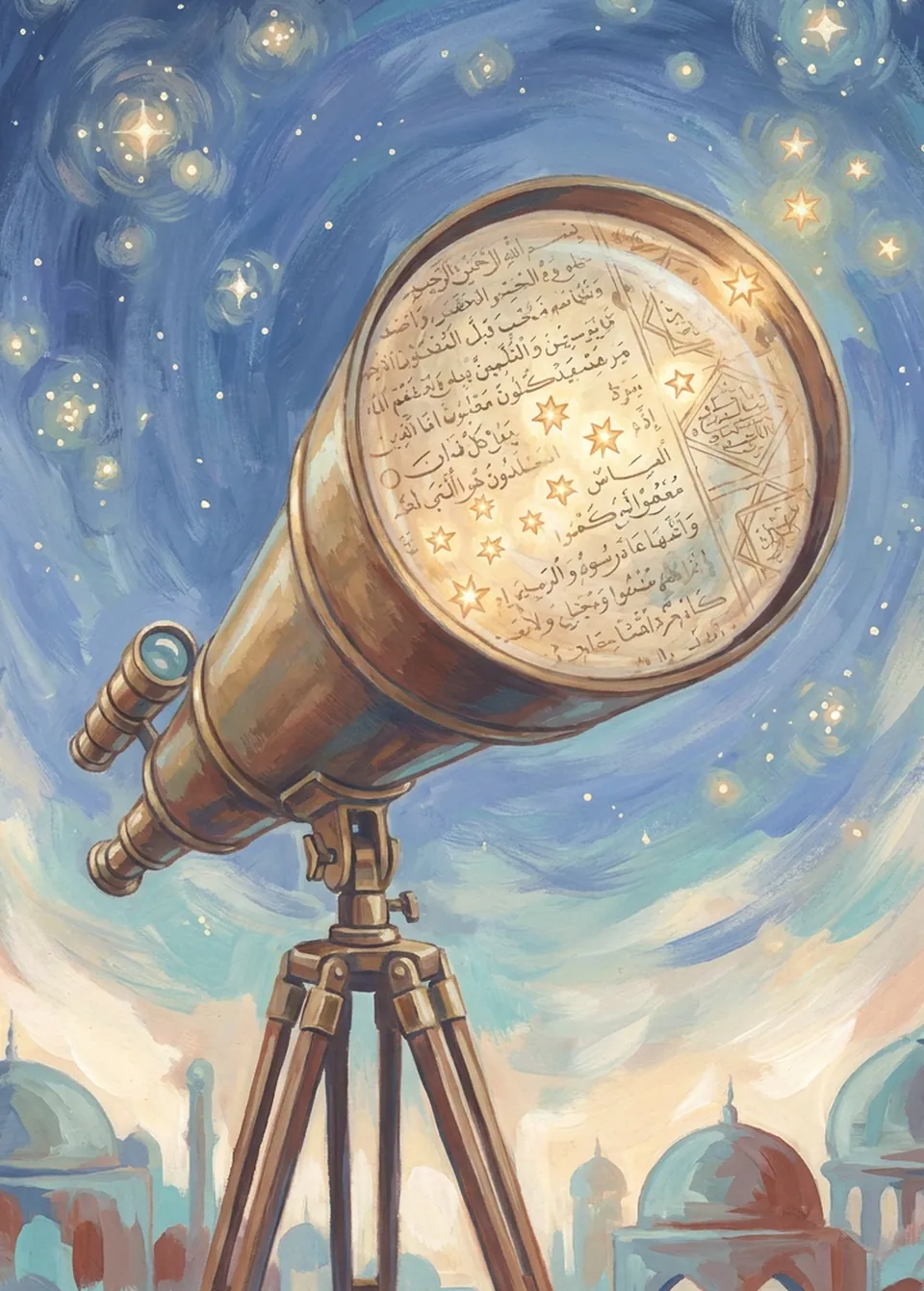 Stars in ArabicObservatory
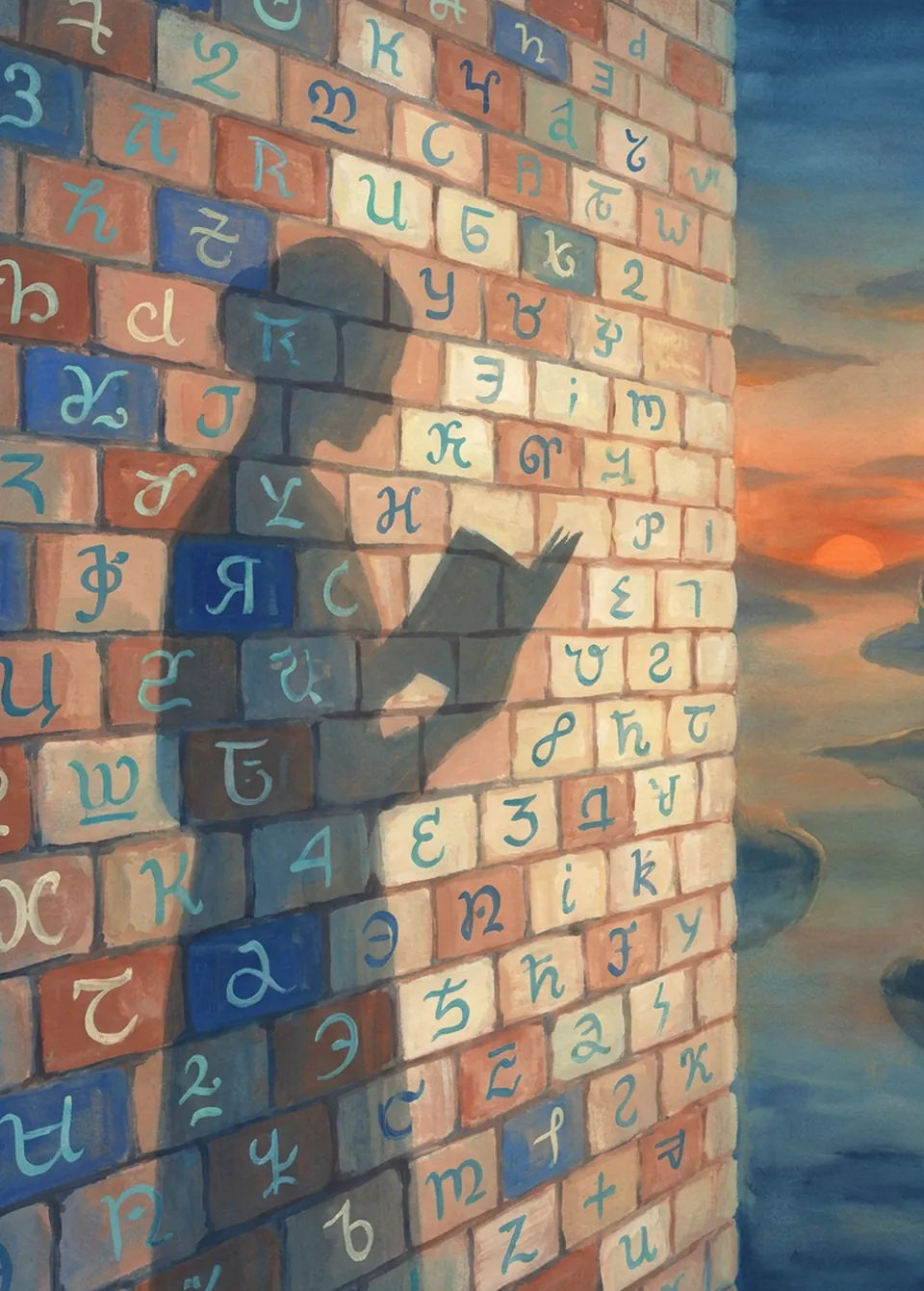 A Wall in Your ScriptLeiden University (Academy Building)
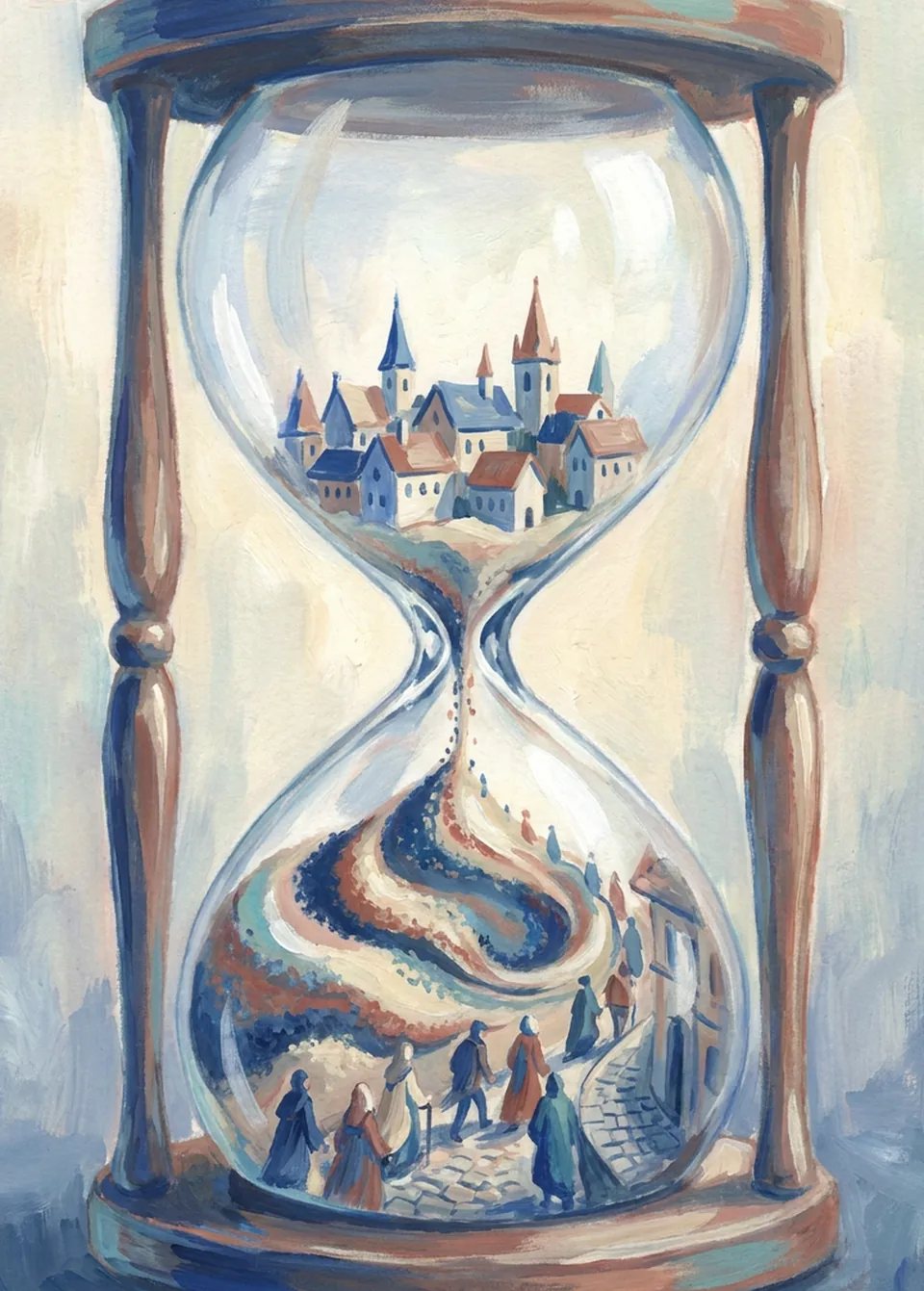 The Refilled CityLeiden University (Academy Building)
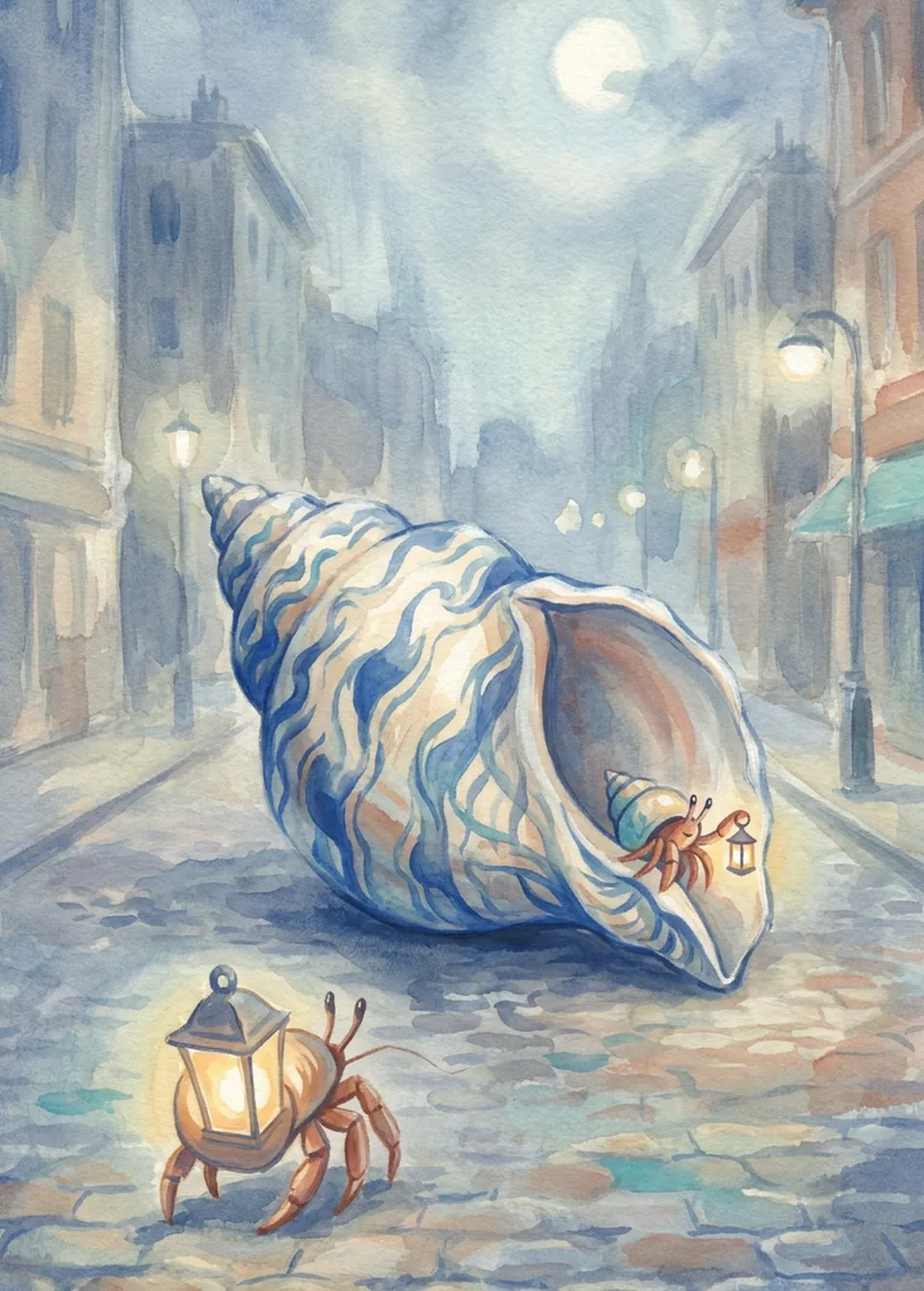 The Next HouseLeiden University (Academy Building)
Painted with an image model from the facts on this page, and chosen by hand. City in Motion.