Under Glass
Old manuscripts kept under a roof modelled on a greenhouse.
Why this image
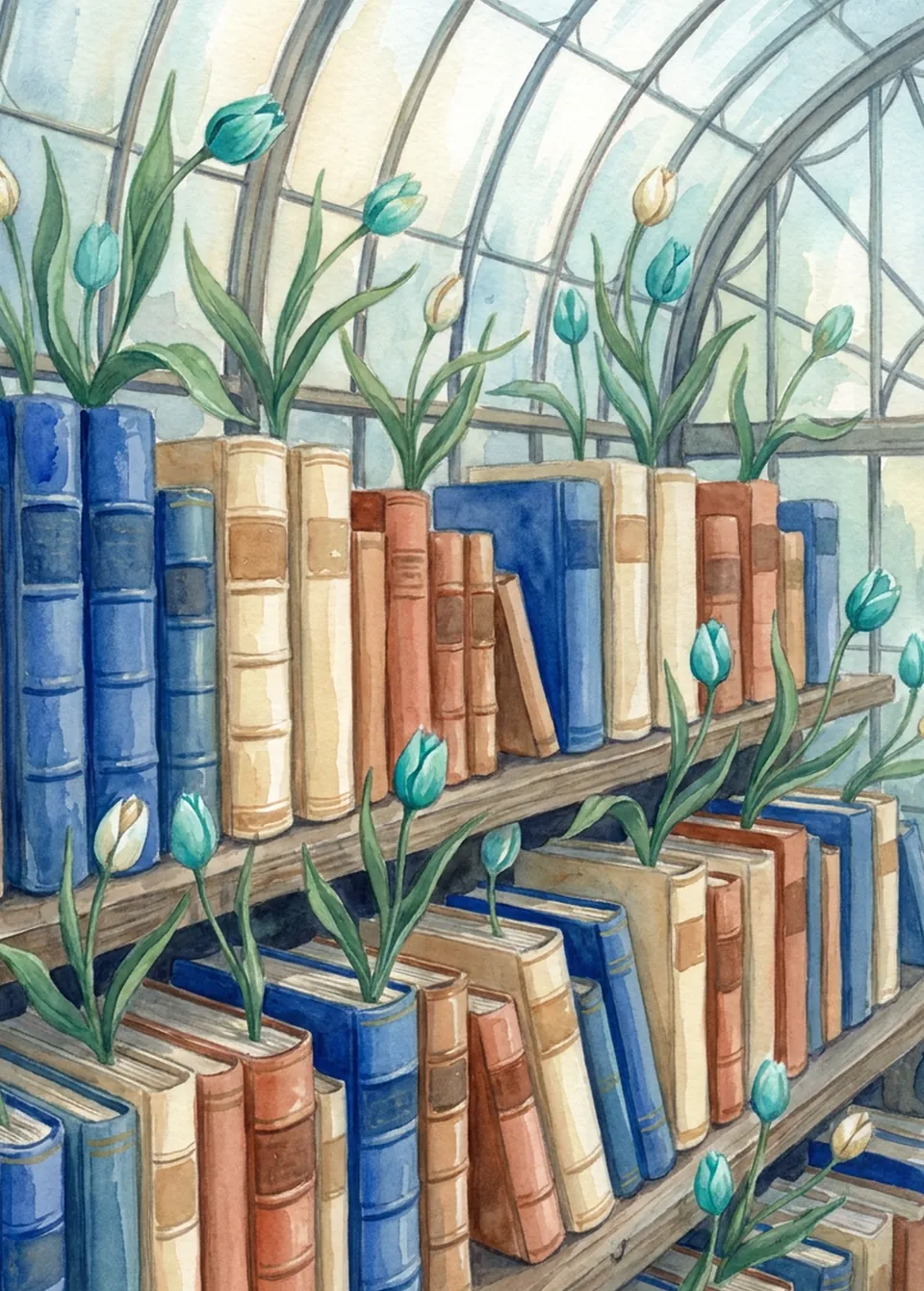
Rows of old books in cobalt, terracotta and ivory bindings stand on shelves under the curved iron and glass of a glasshouse, and out of them grow green stems with tulip buds. When the University Library moved to the Witte Singel in 1983, Bart van Kasteel took his cue for the light domes above its central hall from the greenhouses of the Hortus: the books from Constantinople lie under a roof modelled on a glasshouse 1. The Hortus itself was laid out in 1590, and in 1593 Clusius arrived with his bulbs 2. Under those domes lie some 6,500 Middle Eastern manuscripts, among them Turkish ones that Golius and Warner brought back 3.
What it draws on · 3
In 1983 the library moved from the Rapenburg to this new building on the Witte Singel, designed by Bart van Kasteel. For the large light domes above the central hall he took his cue from the greenhouses of the Hortus. The books from Constantinople therefore lie under a roof modelled on a glasshouse.
de tuin
The Hortus botanicus of Leiden was laid out in 1590 and is the oldest botanical garden in the Netherlands. In 1593 Carolus Clusius came to Leiden and became the garden's first prefect — and he already had his bulbs with him.
Sources · 2
- Hortus botanicus Leiden — hortus.leidenuniv.nl
- Geschiedenis van Leiden — 'Hortus Botanicus: een kruidentuin in hartje Leiden'
wat er nu ligt
The Middle Eastern special collections now hold some 6,500 manuscripts and many times that number of early printed books. Among them are about 4,000 Arabic manuscripts from the ninth to the twentieth century and about 1,200 Persian ones, alongside some 3,000 early Persian printed books — and Turkish manuscripts too, such as those Golius and Warner brought back from Aleppo and Constantinople. Their origins run from North Africa to Central Asia and southeastern Europe.
Sources · 2
- Universiteit Leiden — Midden-Oosterse bijzondere collecties: ca. 6.500 handschriften
- Leiden University Libraries — Collection Guides: Manuscripts, Arabic (ca. 4.000, 9e-20e eeuw); Manuscripts, Persian (ca. 1.200 handschriften, ca. 3.000 oude drukken)
Shares its places with · 7
 A Fragile EmpireLeiden University Library - Ottoman Collection
 The Same RouteLeiden University Library - Ottoman Collection
 The BequestLeiden University Library - Ottoman Collection
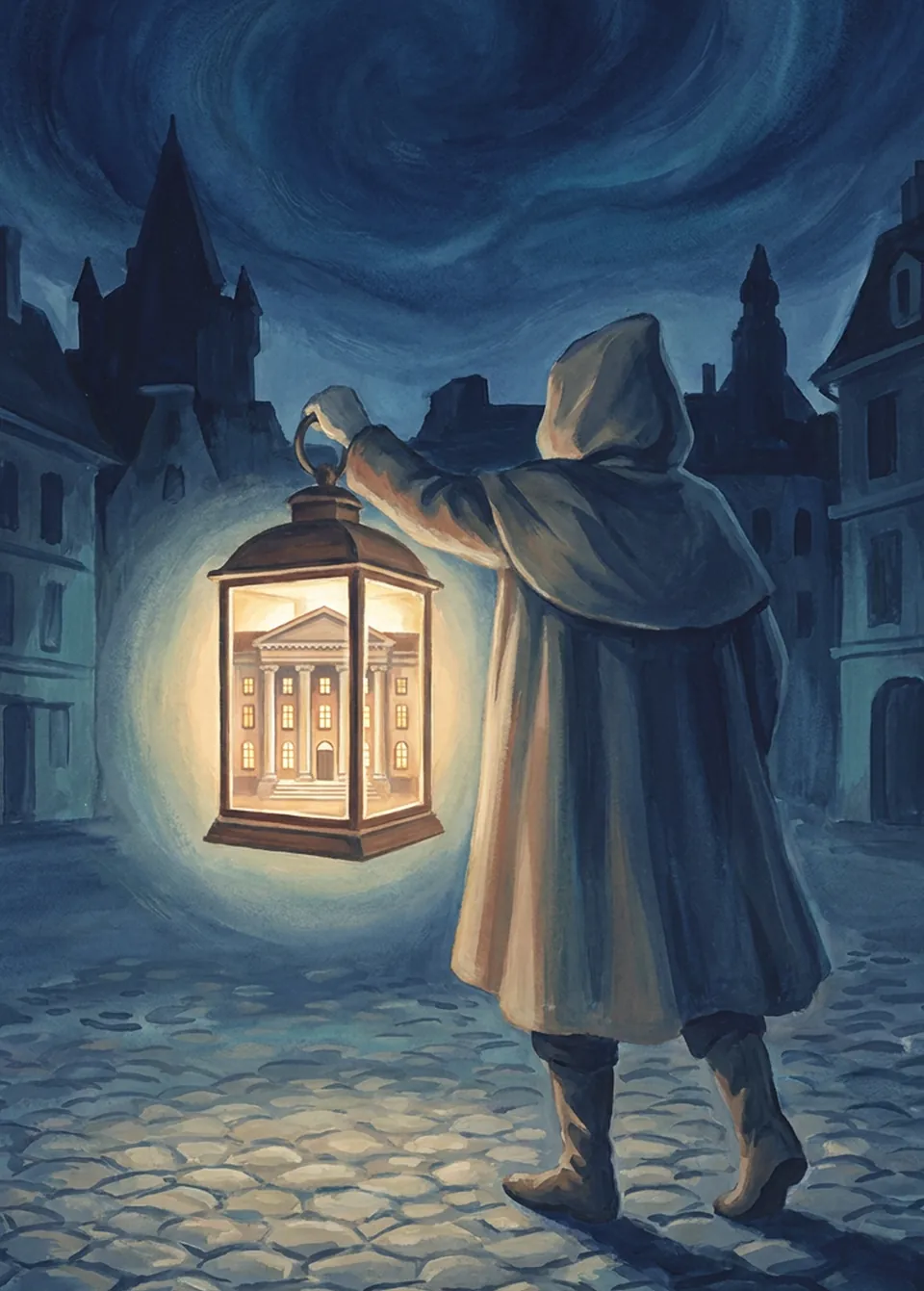 Held by OneLeiden University Library - Ottoman Collection
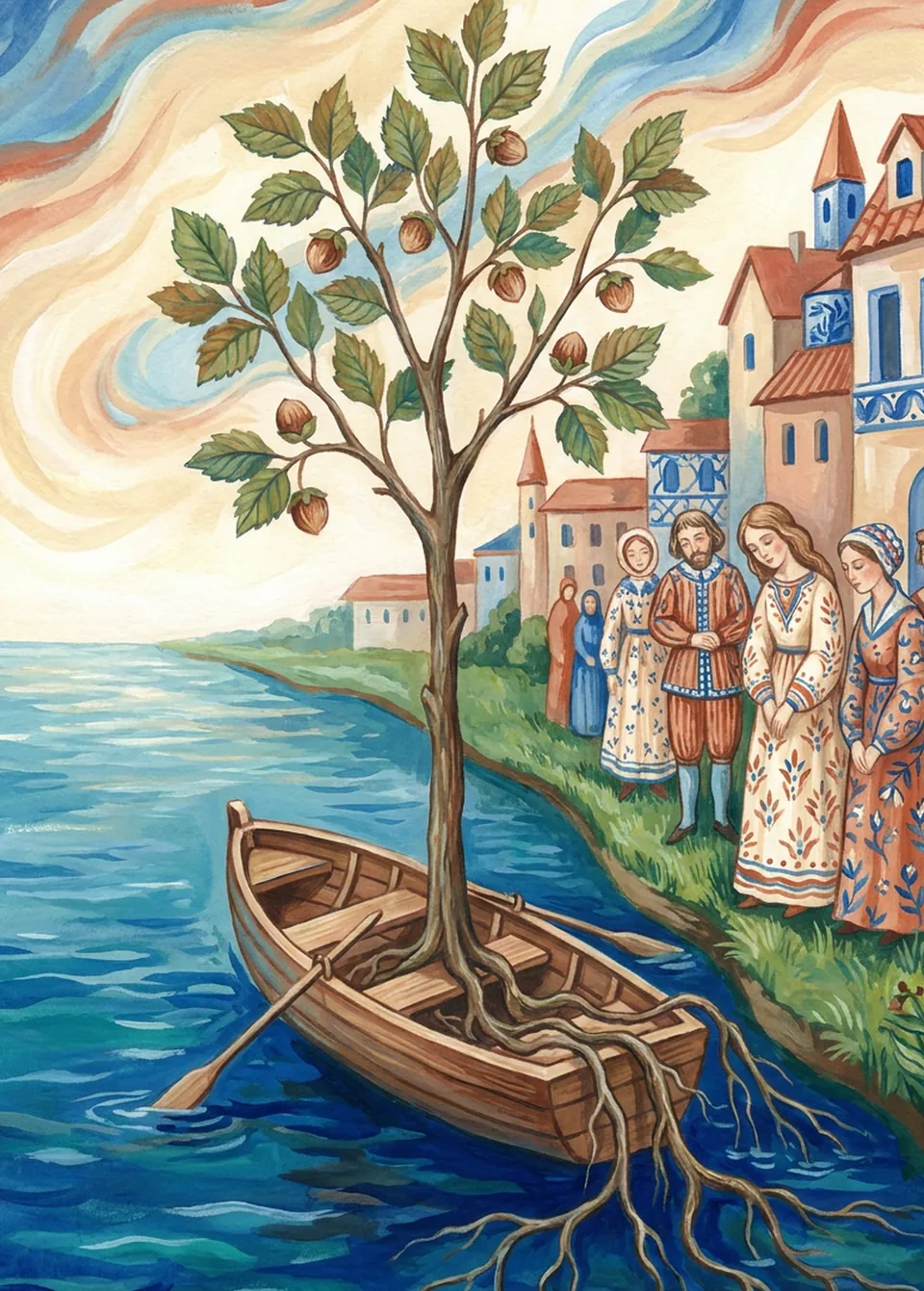 The Tree Comes HomeHortus Botanicus Leiden
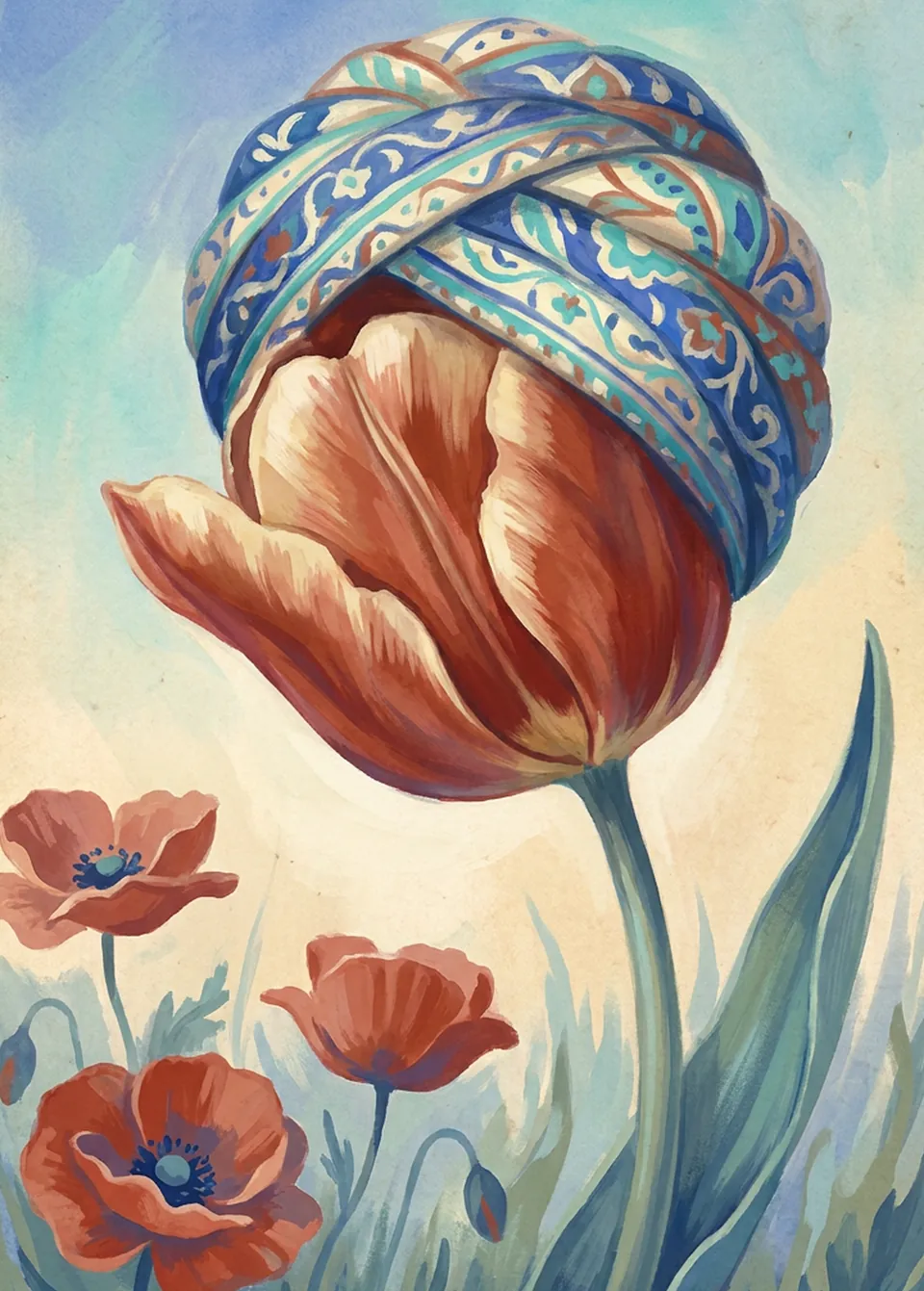 A Flower Named After a HatHortus Botanicus Leiden
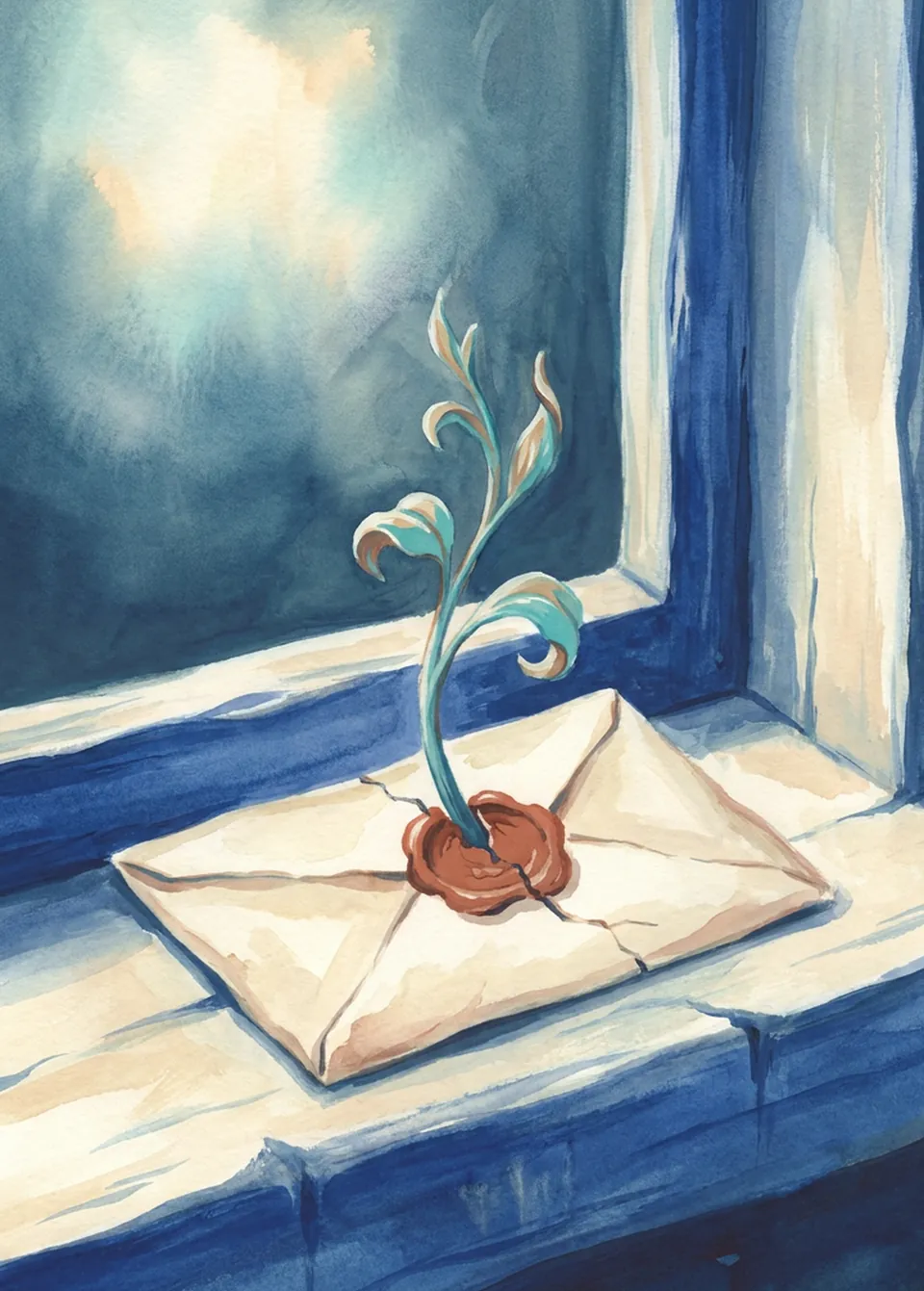 A Seed in a LetterHortus Botanicus Leiden
Painted with an image model from the facts on this page, and chosen by hand. City in Motion.